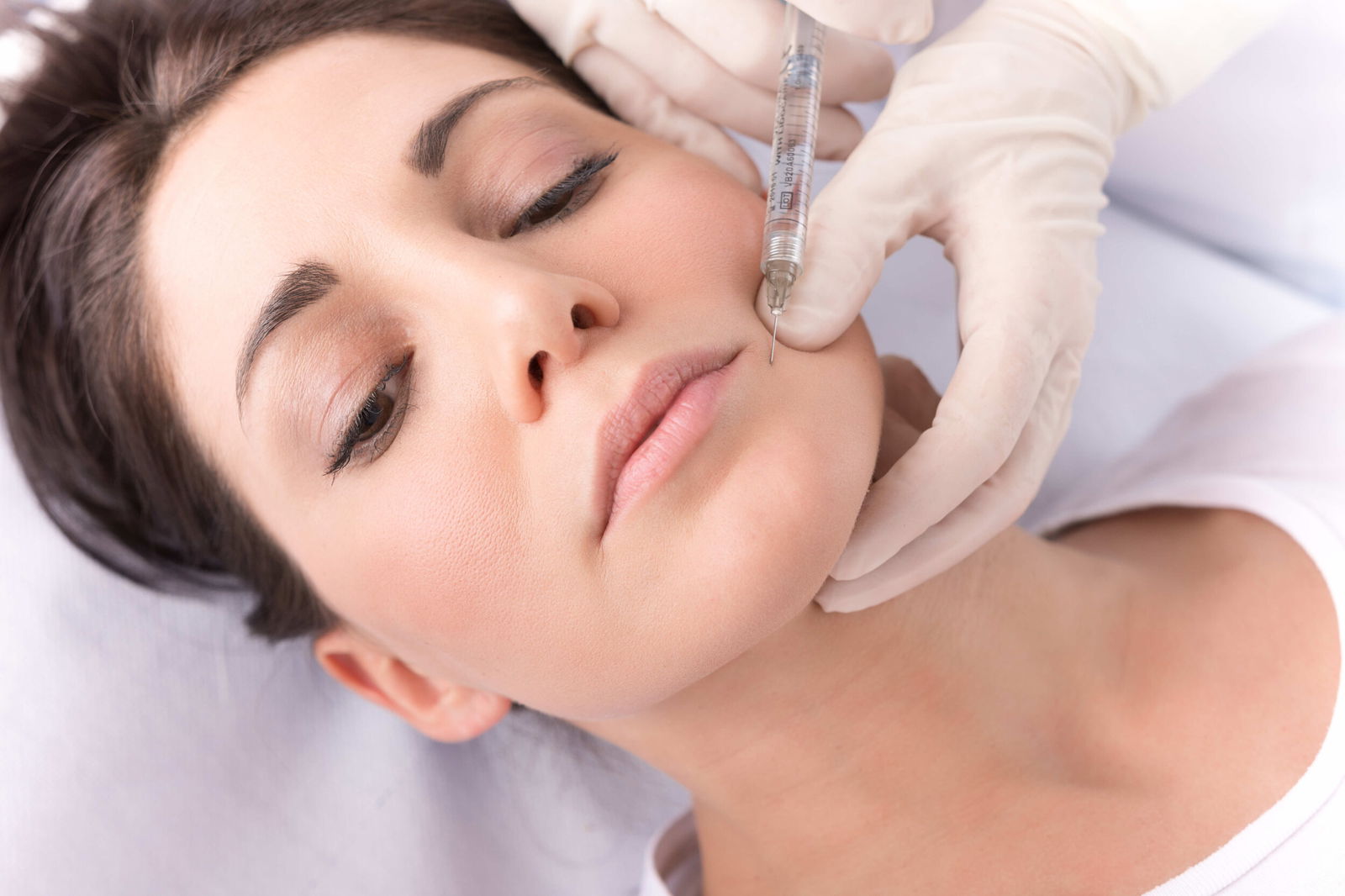


Researching cosmetic treatments for a male partner or family member? The treatments aren’t the same as those for women—and the differences go far beyond just adjusting doses.
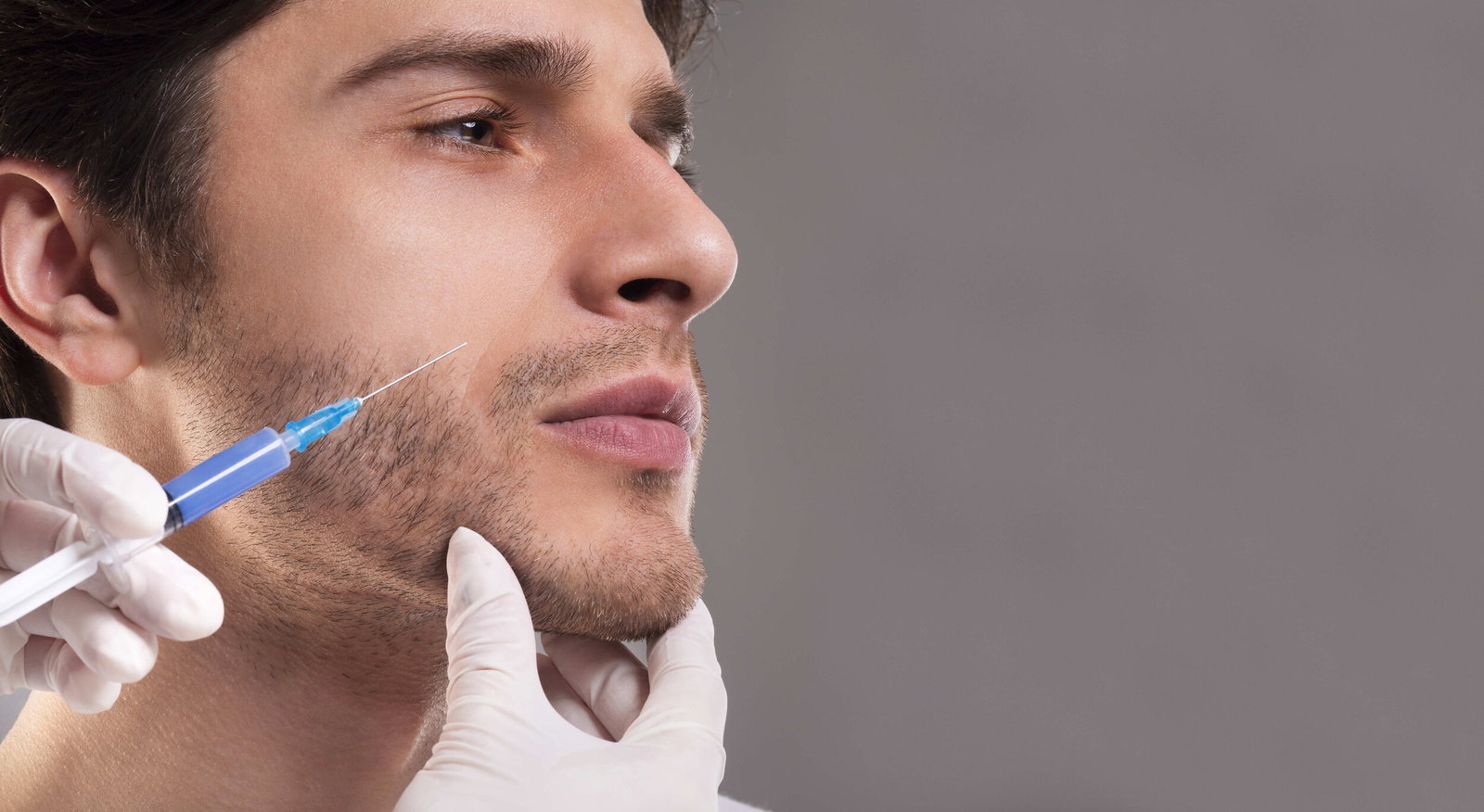
More Than Just Different Doses
Many people assume treating men simply means using smaller doses or treating fewer areas. Not quite. Male facial aesthetics requires a completely different approach—different anatomy, different goals, different techniques.
Men are one of the fastest-growing demographics in aesthetic medicine, seeking treatments that address their concerns without compromising their masculine appearance.
Why Male Faces Are Different
The anatomy tells the story. Male and female faces are structurally different in ways that directly impact how treatments work.
Bone Structure
Male facial bones have distinct characteristics:
- Stronger brow ridge: Men typically have more prominent brow bones, creating deeper-set eyes
- Wider, more angular jaw: Male jaws are generally wider and more squared compared to the softer, V-shaped female jawline
- Flatter cheekbones: Male cheekbones tend to sit flatter rather than high and prominent
- Larger facial features overall: Men have proportionally larger noses, ears, and facial dimensions

Skin Characteristics
Male skin differs in several important ways:
- Approximately 25% thicker: This affects how products penetrate and how treatments are administered
- Higher collagen density: Men’s skin contains more collagen, though they tend to lose it more rapidly with age
- More sebaceous glands: Leading to oilier skin and larger pores
- Different aging patterns: Men often maintain facial structure longer but may age more dramatically once the process accelerates
Muscle Mass and Fat Distribution
- Greater facial muscle mass: Particularly in the jaw area (masseter muscles)
- Different fat pad distribution: Men carry facial fat differently, with less mid-face volume
- Firmer facial ligaments: Leading to different patterns of facial descent with aging

Different Aesthetic Goals
The biggest difference? What makes a face look good is completely different for men and women.
Masculine Aesthetic Ideals
When treating men, practitioners focus on enhancing or preserving:
- Angular features: Defined jawline, prominent chin, strong brow
- Straighter lines: Rather than curved or soft contours
- Horizontal facial thirds: Balance between forehead, mid-face, and lower face
- Defined facial transitions: Clear distinction between facial planes
Common Concerns for Men
Men typically seek treatment for different reasons than women:
- Heavy, tired appearance: Deep forehead lines and frown lines that create an angry or fatigued look
- Under-eye bags and hollows: Making them appear older or exhausted
- Jowling and loss of jawline definition: A primary aging concern for men
- Neck bands: Visible platysmal bands in the neck
- Professional appearance: Looking refreshed and competitive in business settings
The challenge? Addressing these concerns without feminizing the face or making it obvious that work has been done.

How Treatment Approaches Differ
Anti-Wrinkle Treatments for Men
Anti-wrinkle injections work the same way in male and female faces—by temporarily relaxing specific facial muscles. However, the approach differs significantly:
Treatment Areas:
- Forehead: Men often have deeper horizontal forehead lines due to thicker skin and stronger muscles. Treatment typically uses higher doses while being careful to preserve some forehead movement to avoid a frozen appearance
- Frown Lines (Glabella): The “11” lines between the eyebrows are particularly common in men. Treatment here helps reduce an angry or stern appearance
- Crow’s Feet: Lines around the eyes, though treatment must preserve natural masculine eye shape
- Masseter (Jaw) Muscles: Sometimes used to reduce jaw clenching or teeth grinding, though care must be taken not to reduce the masculine jaw width excessively
Key Differences:
- Higher doses are often required due to greater muscle mass
- More conservative approach to avoid brow elevation (which can appear feminine)
- Focus on maintaining natural facial movement and expression
- Treatment of lower face areas like masseter muscles or neck bands is more common in men
Dermal Fillers for Men
Filler treatments in men focus on completely different goals than in women:
Common Treatment Areas:
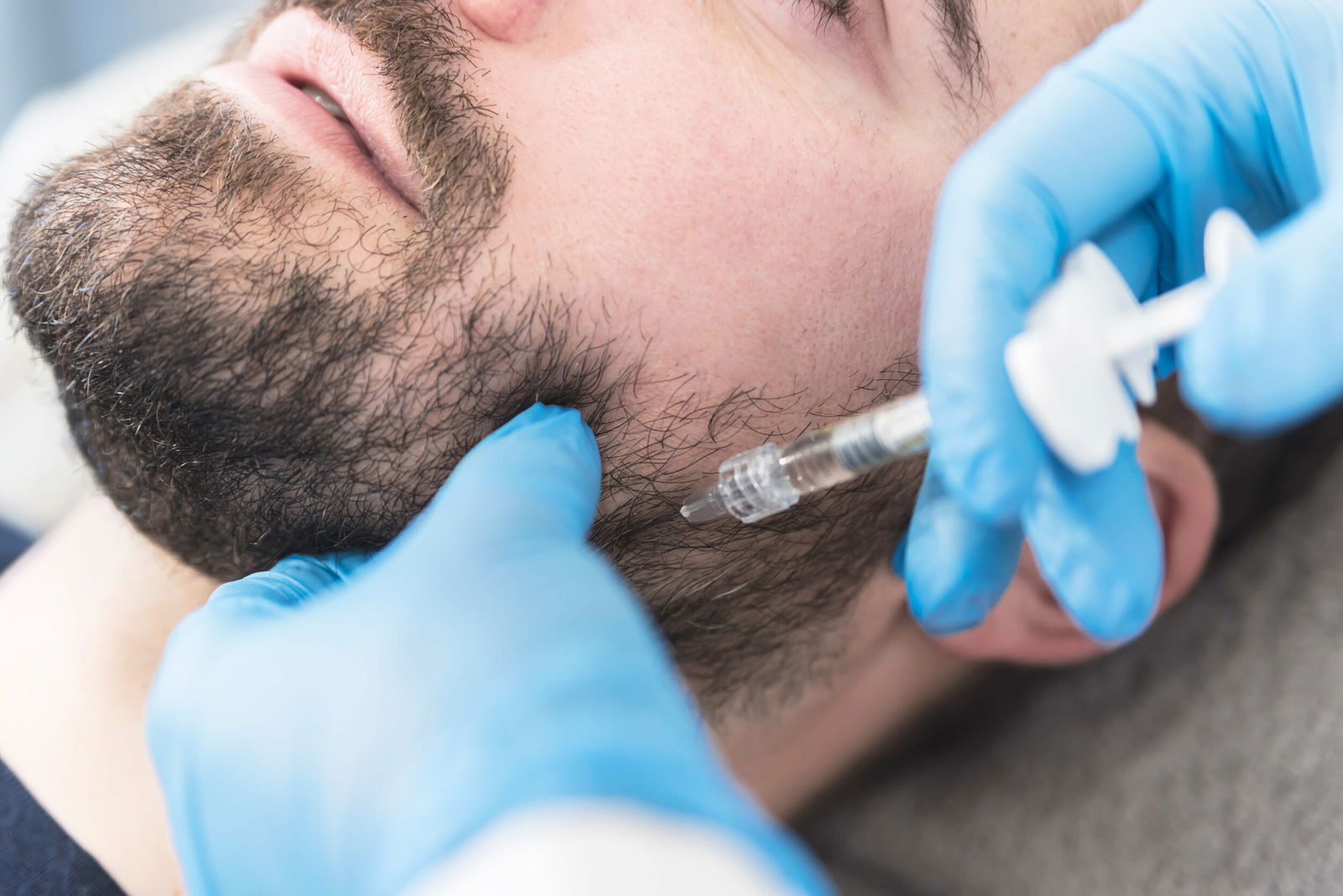
- Chin and Jawline: Enhancing definition and creating or restoring angular contours. This is one of the most requested treatments for men
- Under-Eye Area (Tear Troughs): Addressing hollows and shadows that create a tired appearance
- Temples: Restoring volume lost to aging, which can create a gaunt appearance
- Nasolabial Folds: Softening deep smile lines while maintaining masculine facial structure
What’s Different:
- Placement matters more: Filler must be placed to enhance angular features, not create softness
- Product selection: Often requires firmer, more structured filler products
- Volume approach: Less volume overall but strategically placed for definition
- Avoiding mid-face: Unlike female treatments, men rarely need mid-face volume enhancement
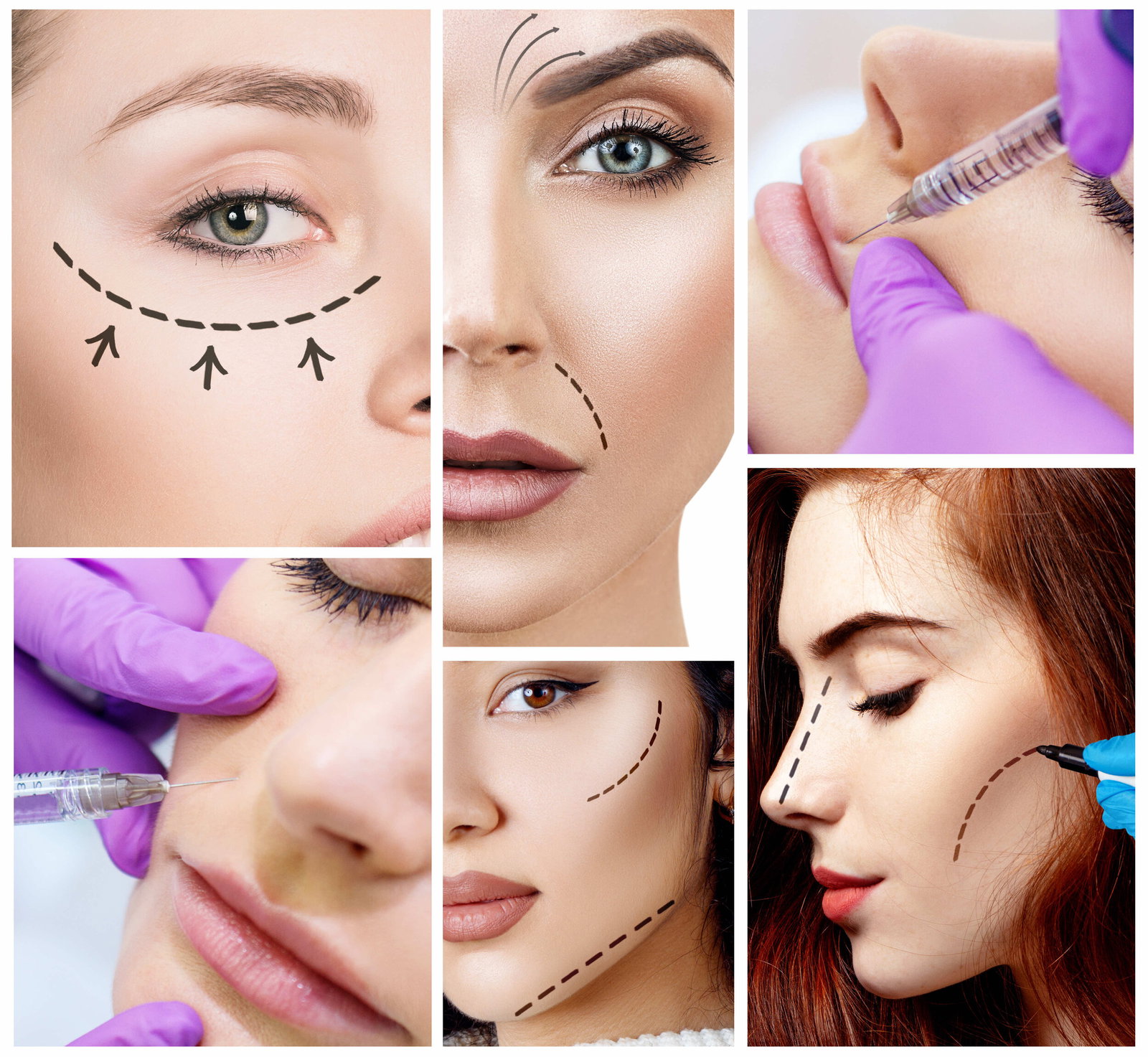
The Natural Result Challenge
Most men want one thing above all: results that don’t look like they’ve had anything done. That means:
- Subtle improvements rather than dramatic changes
- Preserving or enhancing masculine features
- Ensuring they don’t look “different,” just refreshed
- Maintaining natural facial movement and expression
Practical Considerations
The Consultation Process
During a consultation, practitioners look at:
- What concerns you and what you want to achieve
- Professional and lifestyle factors (most men prefer minimal downtime)
- What realistic results actually look like
- Making sure expectations align with male aesthetic outcomes, not female ones
Recovery and Downtime
Men usually have less flexibility hiding recovery signs:
- Bruising: More visible when you’re not using makeup to cover it
- Swelling: Especially noticeable with filler treatments
- Timing: Many men book treatments before a long weekend
These recovery factors often influence which treatments make sense and when to schedule them.
Timeline for Results
Anti-Wrinkle Treatments:
- Results become visible within 3-7 days
- Full effect at 2 weeks
- Duration typically 3-4 months (sometimes longer)
Dermal Fillers:
- Immediate visible improvement
- Final results after swelling subsides (1-2 weeks)
- Duration varies by product and area (6-24 months)
Why These Differences Matter
Whether you’re researching treatments as a gift or helping a partner decide, knowing these differences matters. Male facial aesthetics isn’t about tweaking female treatments—it’s a completely different discipline with different anatomy, aging patterns, and goals.
The most successful treatments for men are those that:
- Respect masculine facial structure and features
- Address specific male aging concerns
- Create subtle, natural-looking improvements
- Are performed by practitioners who understand male facial anatomy and aesthetics
What Good Results Look Like
Successful treatments for men:
- Make them look refreshed, not different
- Enhance what’s already there rather than change it
- Keep masculine facial characteristics intact
- Preserve full natural expression
- Boost confidence without anyone noticing work was done

The Growing Field of Male Aesthetics
Male aesthetics has gone from niche to mainstream. What was once an afterthought has become a specialized field with techniques developed specifically for male anatomy and goals.
Research continues to advance our understanding of how men’s faces age and what approaches work best, leading to increasingly sophisticated treatments that enhance rather than alter masculine features.
The Bottom Line
When considering aesthetic treatments for a male partner or family member, remember:
- Men need different techniques, not just different doses
- Thicker skin, stronger muscles, different bone structure—all change the approach
- The goal is angular and masculine, not soft and feminine
- Treatment areas and methods are specifically adapted for male faces
- Results should look refreshed, not “done”
- Knowing these differences helps set realistic expectations
Whether it’s smoothing forehead lines, sharpening the jawline, or reducing under-eye bags, the right approach creates subtle improvements while keeping everything looking natural and masculine.
© Dermaq Institute | Media Inquiries
.jpg)