




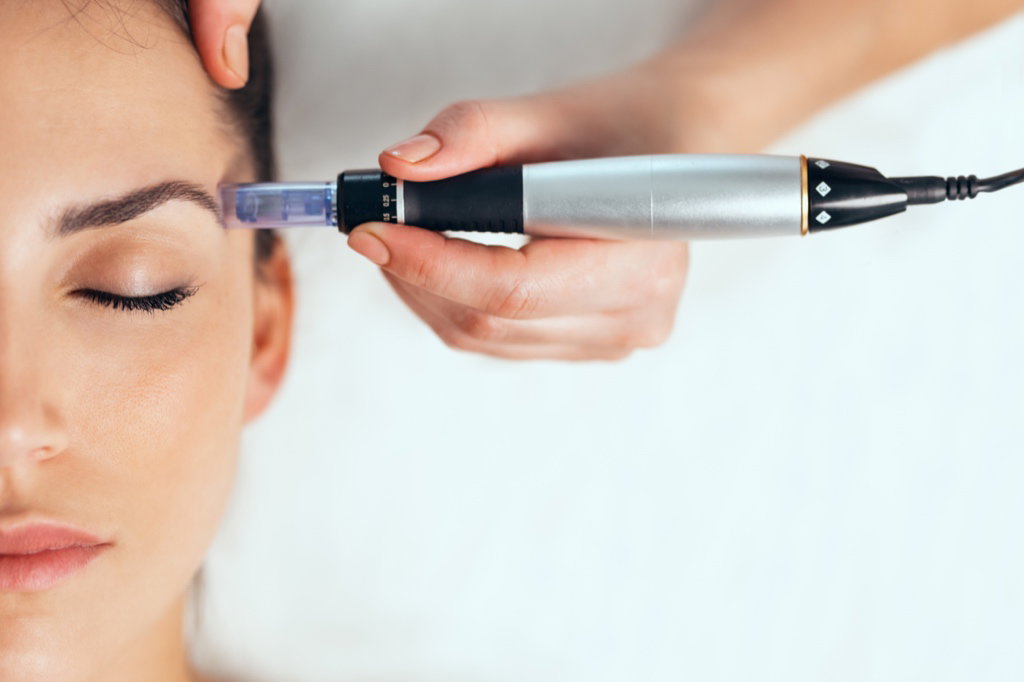



Choosing a cosmetic clinic for injectable treatments is one of the most important decisions you can make for your safety and results. With the growth of the aesthetic medicine industry in Australia, patients now have more options than ever, but this also means navigating a landscape where quality and standards can vary significantly.
This guide outlines the key factors to consider when evaluating cosmetic clinics in Australia, focusing on what genuinely matters for safe and effective treatment.
Understanding Who Can Legally Perform Injectable Treatments
In Australia, injectable cosmetic treatments are classified as medical procedures involving Schedule 4 prescription medications. This classification means they can only be legally administered by:
- Registered medical practitioners (doctors)
- Registered nurses working under the supervision of a medical practitioner
- Dentists within their scope of practice
Beauty therapists, dermal therapists without nursing qualifications, and unregistered practitioners cannot legally perform these procedures. Before booking with any clinic, verify that your treating practitioner holds current registration with the Australian Health Practitioner Regulation Agency (AHPRA).
Practitioner Qualifications and Training
Registration alone is a minimum standard, not a guarantee of expertise. When evaluating a practitioner, consider:
Medical Background
Cosmetic medicine in Australia is not a protected specialty, meaning any registered doctor can offer these services. However, practitioners with backgrounds in dermatology, plastic surgery, general practice with cosmetic focus, or nursing with cosmetic specialisation typically have more relevant training.
Specific Injectable Training
Ask about the practitioner’s training in cosmetic injectables specifically. Many practitioners complete additional courses, workshops, and masterclasses beyond their initial qualification. Membership in professional bodies such as the Australasian College of Cosmetic Surgery and Medicine (ACCSM) or the Cosmetic Physicians College of Australasia (CPCA) indicates commitment to ongoing education.
Experience and Case Volume
Experience matters in cosmetic medicine. A practitioner who performs procedures regularly will have encountered a wider range of facial anatomies, managed more complications, and refined their technique over time. It is reasonable to ask how long a practitioner has been performing specific treatments.
The Consultation Process
A thorough consultation is one of the clearest indicators of a quality clinic. Be cautious of any provider who offers treatment without a proper consultation first.
What a Good Consultation Includes
- Medical history review: Assessment of allergies, medications, previous cosmetic treatments, and any contraindications
- Facial assessment: Analysis of your facial anatomy, skin quality, and how these factors affect treatment planning
- Goal discussion: Understanding what you hope to achieve and whether your expectations are realistic
- Treatment options: Explanation of available approaches, including the option not to proceed
- Risk disclosure: Honest discussion of potential side effects, complications, and how they are managed
- Informed consent: Written documentation of your understanding and agreement to proceed
Red Flags During Consultation
- Pressure to book or pay immediately
- Dismissal of your questions or concerns
- Promises of guaranteed results
- Refusal to discuss risks or complications
- Lack of interest in your medical history
- Consultation conducted by non-clinical staff with no practitioner involvement
Clinical Environment and Safety Standards
The physical environment where treatment is performed reflects a clinic’s commitment to safety.
Infection Control
Injectable treatments break the skin barrier and must be performed under strict hygiene protocols. Look for:
- Clean, clinical treatment rooms (not beauty salon environments)
- Single-use disposable equipment
- Proper sharps disposal
- Hand hygiene protocols
- Sterilisation of reusable equipment
Emergency Preparedness
Complications, while rare, can occur with any injectable procedure. A reputable clinic will have:
- Emergency protocols and trained staff
- Reversal agents (hyaluronidase for hyaluronic acid complications)
- Access to medical equipment appropriate for managing adverse events
- Clear pathways for escalation to hospital care if needed
Product Sourcing
All injectable products used in Australia should be TGA-approved and sourced from authorised distributors. Legitimate products come with batch tracking for quality assurance. You have the right to ask what products will be used and to see the packaging.
Pricing Transparency
While cost should not be the primary factor in choosing a clinic, pricing practices can indicate a provider’s approach to patient care.
Be Cautious Of
- Prices significantly below market average (may indicate counterfeit products, inexperienced practitioners, or corner-cutting on safety)
- High-pressure sales tactics or financing schemes that encourage over-treatment
- Package deals that lock you into treatments before you have had time to evaluate results
- Hidden fees revealed only after consultation
Reasonable Pricing Practices
- Clear pricing communicated before treatment
- Itemised costs for products and services
- Flexibility to adjust treatment volume based on your needs and budget
- No pressure to spend more than you are comfortable with
Reviews and Reputation
Online reviews can provide useful insights, but should be interpreted carefully.
Assessing Online Reviews
- Look for reviews that describe the consultation and treatment experience in detail
- Consider the overall pattern rather than individual extreme reviews
- Be sceptical of clinics with only five-star reviews and no constructive feedback
- Check multiple platforms (Google, Facebook, Realself) for a broader picture
Word of Mouth
Personal recommendations from people whose results you can see in person are often more reliable than anonymous online reviews. However, remember that individual results vary based on anatomy, lifestyle, and treatment approach.
Regulatory History
The TGA and AHPRA maintain public records of disciplinary actions against practitioners and clinics. While most practitioners have clean records, checking these databases can identify any history of serious concerns.
Questions to Ask Before Committing
Before proceeding with any clinic, consider asking:
- Who will be performing my treatment, and what are their qualifications?
- How long have you been performing this specific procedure?
- What products do you use, and are they TGA-approved?
- What are the potential risks and how do you manage complications?
- Can I have time to consider my options before booking treatment?
- What follow-up care is included?
- What happens if I am not satisfied with my results?
A reputable practitioner will welcome these questions and provide clear, honest answers.
The Value of Taking Your Time
Cosmetic treatments are elective procedures. There is rarely any urgency, and the best clinics will support you in taking time to make an informed decision.
Be wary of:
- Limited-time offers that pressure immediate booking
- Claims that pricing will increase if you do not commit today
- Suggestions that waiting will make your concerns worse
A quality clinic understands that patient education and informed consent produce better outcomes and higher satisfaction than rushed decisions.
Geographic Considerations
While travelling for cosmetic treatment is common, there are practical considerations:
- Follow-up care: Complications may require urgent review. Consider whether you can easily return to the clinic if needed.
- Initial consultations: Some clinics offer virtual consultations, but in-person assessment is generally more thorough.
- Continuity of care: Building a relationship with a local practitioner can improve long-term outcomes.
Making Your Decision
Choosing a cosmetic clinic requires balancing multiple factors: practitioner qualifications, clinical environment, consultation quality, pricing, and your personal comfort level. The right clinic for one person may not be right for another.
Trust your instincts. If something feels rushed, dismissive, or too good to be true, it probably is. A genuine professional will prioritise your safety and satisfaction over making a sale.
Take your time, do your research, and remember that the goal is not just a single treatment, but finding a trusted partner for your aesthetic care.
This article is provided for educational purposes to support informed decision-making about cosmetic treatments in Australia.
© Dermaq Institute | Media Inquiries

.jpg)