




Your first consultation at a cosmetic clinic is an opportunity to gather information, assess the practitioner and clinic, and determine whether you feel comfortable proceeding with treatment. Arriving prepared with questions helps ensure you make an informed decision and establishes clear communication with your treating practitioner.
This guide provides a comprehensive list of questions to consider, organised by topic, along with guidance on what constitutes a satisfactory answer.
Questions About Practitioner Qualifications
Understanding who will be performing your treatment is fundamental to your safety.
Essential Questions
“What are your qualifications and registration status?”
In Australia, injectable treatments must be performed by registered medical practitioners, registered nurses under medical supervision, or dentists within their scope. All practitioners should hold current AHPRA registration, which you can verify online at the AHPRA website.
“How long have you been performing cosmetic injectable treatments?”
Experience matters in cosmetic medicine. While newer practitioners can provide excellent care, understanding their experience level helps you assess their expertise. A straightforward answer is a good sign; evasiveness is not.
“Do you have specific training in the treatment I am considering?”
Cosmetic medicine involves ongoing education beyond initial qualifications. Practitioners should be able to describe relevant courses, workshops, or mentorships they have completed. Membership in professional bodies like the Australasian College of Cosmetic Surgery and Medicine (ACCSM) indicates commitment to continuing education.
“Will you personally be performing my treatment, or will it be someone else?”
Ensure you know exactly who will be treating you. In some clinics, the consultation may be conducted by one person while treatment is performed by another. Clarify this before proceeding.
Questions About the Treatment
A thorough understanding of what you are agreeing to is essential for informed consent.
Understanding the Procedure
“Can you explain exactly what this treatment involves?”
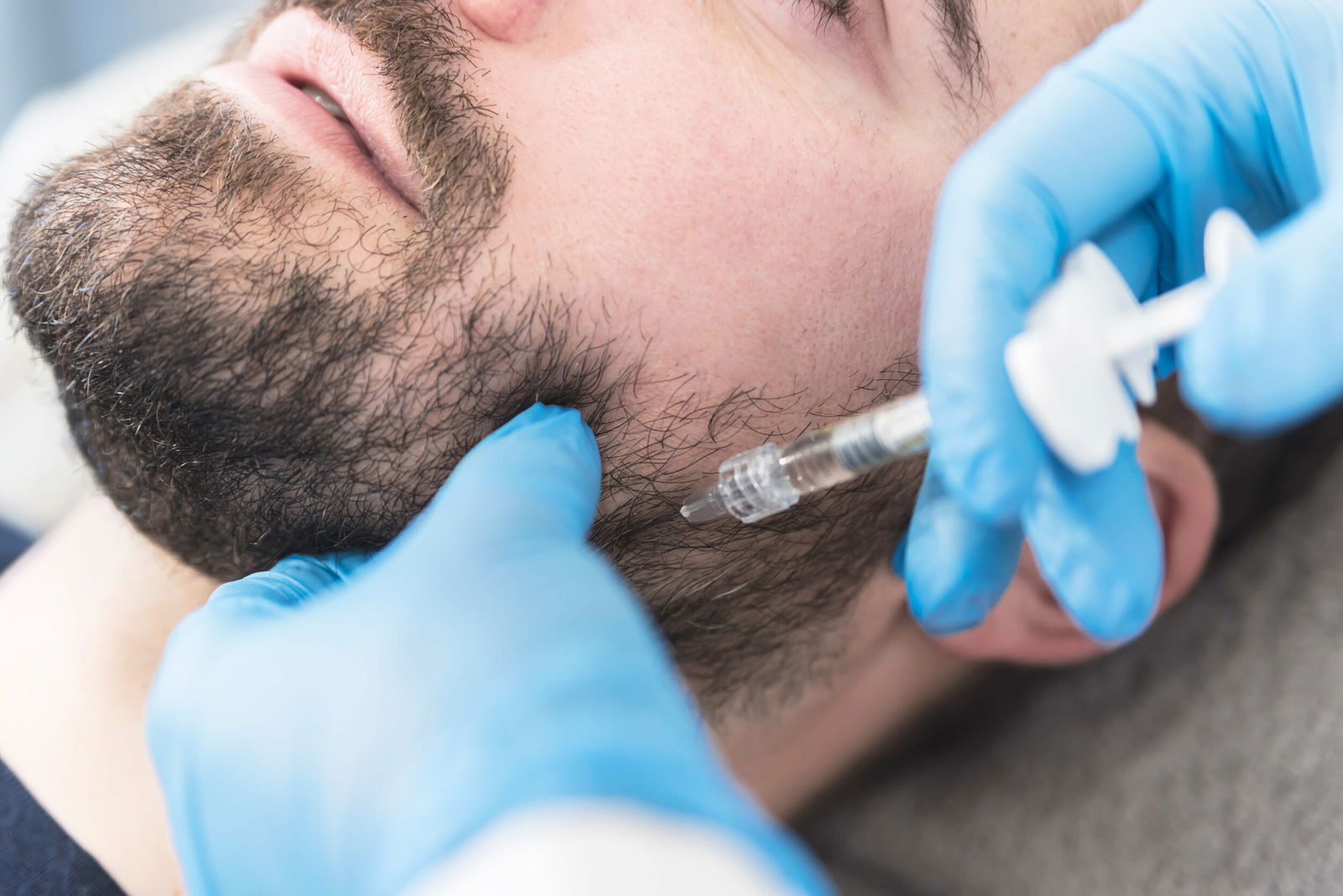
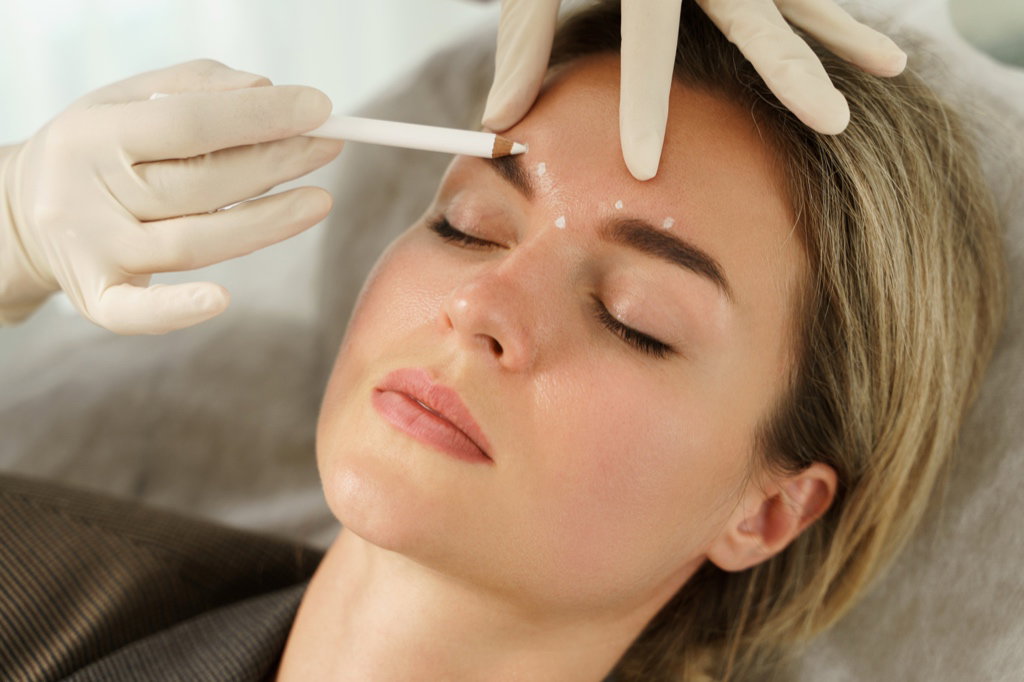
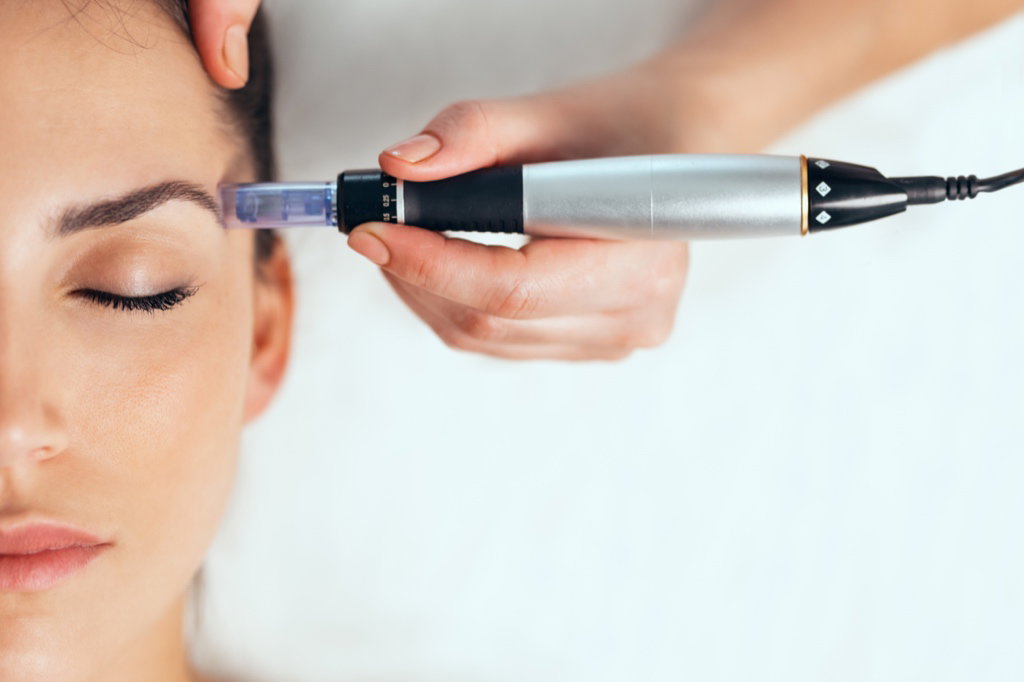
Your practitioner should be able to describe the procedure in plain language: what products are used, where and how they are administered, what sensations you might experience, and how long the appointment takes.
“What results can I realistically expect?”
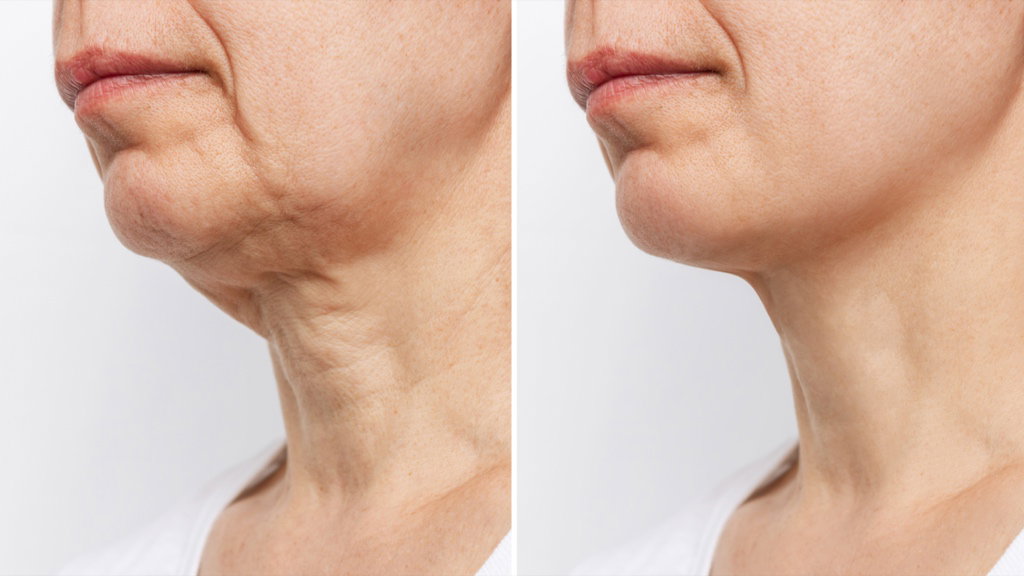
Be cautious of practitioners who promise dramatic transformations or guarantee specific outcomes. Honest practitioners discuss likely results while acknowledging individual variation. Before-and-after photos of their own patients (with consent) can help set expectations.
“How long will the results last, and what factors affect this?”
Treatment longevity varies based on the product used, the treatment area, your metabolism, and lifestyle factors. Your practitioner should provide realistic timeframes rather than best-case scenarios.
“Are there alternative treatments that could address my concerns?”
A patient-centred practitioner will discuss all relevant options, not just the treatment you initially enquired about. This may include non-injectable options, different products, or even the possibility that treatment is not advisable.
Understanding the Products
“What specific products will you be using?”
You have the right to know exactly what will be injected. Products should be TGA-approved and sourced from authorised Australian distributors. Brand names, product specifications, and batch tracking should all be available.
“Why are you recommending this particular product for me?”
Different products have different properties suited to different applications. Your practitioner should be able to explain why a specific product is appropriate for your treatment goals and facial anatomy.
Questions About Risks and Safety
Understanding potential complications is a critical part of informed consent.
Risk Discussion
“What are the common side effects of this treatment?”
Common effects might include temporary redness, swelling, bruising, or tenderness at injection sites. Your practitioner should explain what is normal and how long these effects typically last.
“What are the serious risks, even if they are rare?”
Rare but serious complications include vascular occlusion (where product affects blood flow), infection, allergic reactions, and asymmetry. A responsible practitioner will discuss these honestly, not minimise them to secure your booking.
“How do you minimise the risk of complications?”
This might include detailed anatomical knowledge, specific injection techniques, aspiration before injection, or the use of cannulas in certain areas. The answer reveals how seriously the practitioner takes safety.
“What happens if something goes wrong? How do you manage complications?”
Reputable clinics have emergency protocols, reversal agents readily available (such as hyaluronidase for hyaluronic acid complications), and clear pathways for escalation if needed. Ask specifically about after-hours contact if a complication develops.
“Do you have after-hours contact available if I have concerns?”
Complications do not always occur during business hours. Knowing you can reach someone if you experience concerning symptoms provides important peace of mind.
Questions About Your Individual Suitability
Not everyone is a suitable candidate for every treatment.
Medical Assessment
“Are there any reasons I might not be suitable for this treatment?”
Contraindications vary by treatment but may include pregnancy, breastfeeding, certain autoimmune conditions, active skin infections, or specific medications. Your practitioner should ask about your medical history, not just proceed without assessment.
“Do any of my medications or health conditions affect this treatment?”
Blood-thinning medications, immunosuppressants, and certain supplements can affect treatment safety and recovery. Disclose everything you take, including over-the-counter products and supplements.
“Have you reviewed my medical history?”
If you have completed a medical history form, confirm that it has been reviewed. If you have not been asked about your health, this is a significant red flag.
Questions About the Clinic
The clinical environment reflects the provider’s commitment to safety.
Practical Considerations
“What infection control measures do you follow?”
Look for single-use disposable equipment, proper sharps disposal, clean treatment rooms, and hand hygiene protocols. Injectable treatments break the skin barrier and require strict hygiene standards.
“Where are your products sourced from?”
Products should come from authorised Australian distributors with proper cold-chain storage. Be cautious if this question is deflected or answered vaguely.
“Can I see where the treatment will be performed?”
A reputable clinic will have no hesitation showing you the treatment room. It should appear clean, clinical, and appropriately equipped.
Questions About Cost and Follow-Up
Clear pricing and aftercare arrangements indicate a professional practice.
Financial Clarity
“What is the total cost of this treatment?”
Ensure you understand all costs before proceeding. Ask whether the consultation fee is included or separate, whether follow-up appointments are included, and whether there are any potential additional costs.
“What payment is required today, and what are my options?”
Reputable clinics provide clear payment information without high-pressure tactics. Be cautious of requirements to pay in full before your consultation is complete.
Aftercare and Follow-Up
“What aftercare instructions will I receive?”
Post-treatment care affects your results and recovery. Expect written instructions covering activity restrictions, skincare recommendations, and what symptoms to watch for.
“Is a follow-up appointment included?”
Many practitioners include a follow-up appointment to assess results and perform any touch-ups if needed. Clarify what is included in your treatment fee.
“What if I am not happy with my results?”
Understanding the clinic’s approach to unsatisfactory outcomes is important. While no practitioner can guarantee results, a reasonable policy for addressing concerns indicates patient-focused care.
Questions to Ask Yourself
Beyond asking questions of your practitioner, reflect on your own experience during the consultation.
Did I feel rushed?
A quality consultation takes time. If you felt hurried through the process, important information may have been missed.
Were my questions welcomed or dismissed?
A practitioner who becomes defensive or dismissive when asked questions may not be the right fit for you.
Do I feel pressure to book treatment today?
Ethical practice allows you time to consider your options. High-pressure sales tactics are a warning sign.
Am I comfortable with this practitioner?
Trust and rapport matter. If something feels off, it is acceptable to seek a second opinion elsewhere.
Do I understand what I am agreeing to?
Informed consent requires genuine understanding. If you leave the consultation confused about the treatment, risks, or costs, you are not ready to proceed.
When to Seek a Second Opinion
Consider consulting another practitioner if:
- Your questions were not answered satisfactorily
- You felt pressured to make immediate decisions
- The practitioner seemed dismissive of your concerns
- The clinical environment did not seem appropriate
- Pricing was unclear or changed during the consultation
- You were not given time to consider your options
There is no obligation to proceed with treatment simply because you attended a consultation. A reputable practitioner will respect your need for time and information.
Making Your Decision
A good consultation should leave you feeling informed, respected, and confident in your understanding of the proposed treatment. If these elements are missing, it is worth seeking alternatives.
Take notes during your consultation, review the information provided, and give yourself time to make a considered decision. Cosmetic treatments are elective, and there is no urgency that should override your need for complete information and comfort with your choice.
This article is provided for educational purposes to support informed decision-making about cosmetic treatments in Australia.
© Dermaq Institute | Media Inquiries