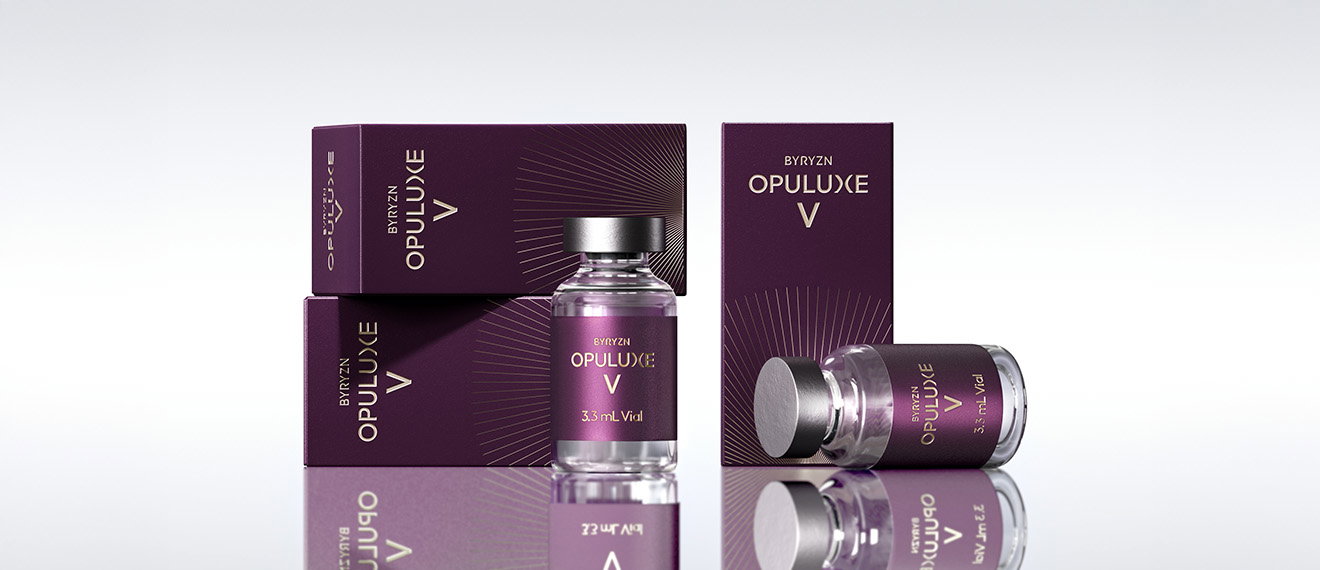
The landscape of aesthetic dermatology continues to evolve with advances in biotechnology and our understanding of skin biology. Among recent developments in topical skin rejuvenation is BYRYZN Opuluxe V, a multi-ingredient skin booster formulation developed by Hugel Inc., a South Korean biotechnology company specializing in medical aesthetics.
The Evolution of Skin Booster Technology
Skin boosters represent a category of cosmetic treatments designed to address skin quality through the delivery of bioactive compounds into the dermis. Unlike traditional dermal fillers that primarily add volume, skin boosters aim to improve intrinsic skin parameters such as hydration, elasticity, and cellular regeneration through the introduction of ingredients that may influence fibroblast activity and extracellular matrix composition.
BYRYZN Opuluxe V: A Multi-Component Formulation
BYRYZN Opuluxe V is formulated as an 8-in-1 topical solution designed for transdermal delivery via microneedling. The formulation combines several categories of bioactive compounds, each with distinct mechanisms of action in skin biology.
Key Active Ingredients and Their Scientific Basis
Polydeoxyribonucleotide (PDRN)
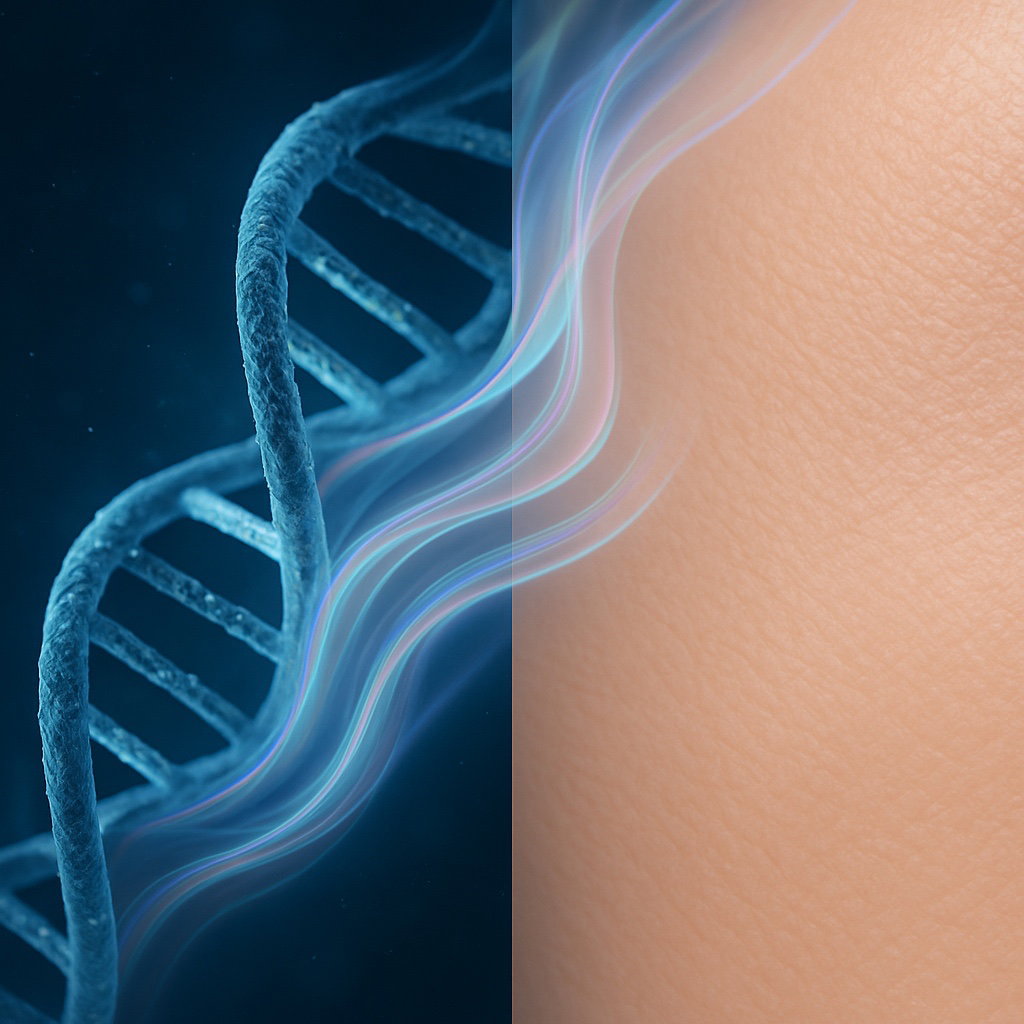
PDRN is a mixture of deoxyribonucleotide polymers, typically derived from salmon or trout sperm DNA, with molecular weights ranging from 50 to 1,500 kDa. The scientific literature on PDRN demonstrates several relevant mechanisms:
- Adenosine Receptor Activation: PDRN exerts many of its biological effects through activation of purinergic A2A receptors on cell surfaces, which can influence cellular proliferation and anti-inflammatory responses.
- Collagen Synthesis: Studies have shown that PDRN can increase ERK (extracellular signal-regulated kinase) phosphorylation in dermal fibroblasts, which is associated with increased collagen accumulation. Research indicates that PDRN promotes both fibroblast proliferation and collagen deposition.
- Angiogenesis: PDRN has been shown to support the formation of new blood vessels, which may contribute to improved tissue oxygenation and nutrient delivery.
- Anti-inflammatory Properties: The compound can inhibit matrix metalloproteinase expression, enzymes that degrade extracellular matrix components.
Clinical applications of PDRN in wound healing and tissue regeneration have been documented in scientific literature, particularly in diabetic wound models where it has demonstrated effects on tissue regeneration and wound closure.
Poly-L-Lactic Acid (PLLA)
PLLA is a biodegradable synthetic polymer that has been used in medical applications for decades, including resorbable sutures and drug delivery systems. In aesthetic medicine, PLLA functions as a collagen biostimulator through a distinct mechanism:
- Subclinical Inflammatory Response: When introduced into tissue, PLLA microparticles generate a controlled inflammatory response that leads to macrophage accumulation. These immune cells then activate fibroblasts through the secretion of transforming growth factor-beta (TGF-β).
- TGF-β/Smad Signaling: Research demonstrates that PLLA activates the TGF-β/Smad signaling pathway in dermal fibroblasts, leading to increased expression of collagen genes COL1A1 and COL1A2. This pathway is fundamental to fibroblast activation and extracellular matrix synthesis.
- Gradual Degradation: PLLA undergoes hydrolytic degradation over a period of months to years, slowly breaking down into lactic acid monomers. This gradual process results in a sustained stimulus for collagen production rather than an immediate effect.
- Type I and III Collagen: Studies show that tissues surrounding PLLA accumulate both type I and type III collagen, the major structural proteins in the dermal matrix.
Glutathione
Glutathione is a tripeptide (γ-L-glutamyl-L-cysteinyl-glycine) that serves as one of the body’s primary endogenous antioxidants. Its role in skin biology includes:
- Tyrosinase Inhibition: Glutathione can inhibit the activity of tyrosinase, the rate-limiting enzyme in melanin synthesis, through direct enzyme interaction and by reducing oxidative cofactors required for enzymatic activity.
- Melanin Pathway Modulation: Research suggests glutathione may influence the ratio between eumelanin (darker pigment) and pheomelanin (lighter pigment) production, though this mechanism remains incompletely understood.
- Antioxidant Defense: As a reducing agent, glutathione neutralizes reactive oxygen species (ROS) generated by UV radiation and metabolic processes. Since ROS can stimulate melanogenesis, this antioxidant activity may indirectly reduce melanin production.
It should be noted that while glutathione is widely used in aesthetic applications, systematic reviews of its efficacy for hyperpigmentation indicate mixed results and highlight the need for more rigorous clinical studies.
Hyaluronic Acid (HA)
Hyaluronic acid is a glycosaminoglycan naturally present in the extracellular matrix of skin. Its primary biophysical property is its exceptional water-binding capacity—each molecule can bind up to 1,000 times its weight in water. This hygroscopic property contributes to:
- Dermal Hydration: HA maintains tissue hydration and turgor pressure in the dermis.
- Extracellular Matrix Structure: HA provides a hydrated scaffold that influences cell migration, proliferation, and differentiation.
- Barrier Function: Adequate dermal hydration supports epidermal barrier integrity.
Sphingomonas Ferment Extract
This postbiotic ingredient is derived from bacterial fermentation and contains ceramide precursors and exosome-like compounds. Ceramides are lipid molecules that form a critical component of the stratum corneum lipid barrier. The scientific rationale for this ingredient includes:
- Barrier Repair: Ceramides are essential components of the epidermal lipid lamellae that prevent transepidermal water loss.
- Anti-inflammatory Effects: Certain postbiotic compounds have demonstrated capacity to modulate inflammatory signaling in keratinocytes and dermal cells.
Adenosine
Adenosine is a nucleoside that occurs naturally in all cells and has been studied for its effects on skin aging parameters. Research indicates:
- Anti-wrinkle Properties: Adenosine has been shown to increase collagen and glycosaminoglycan production in cultured fibroblasts.
- Energy Metabolism: As a component of ATP (adenosine triphosphate), adenosine plays fundamental roles in cellular energy metabolism.
Amino Acids and Vitamins
The formulation includes 17 amino acids and a vitamin complex. Amino acids serve as building blocks for proteins, including structural proteins like collagen and elastin, as well as enzymes and signaling molecules. Their presence in topical formulations provides substrate for protein synthesis during tissue repair and regeneration.
Mechanism of Transdermal Delivery
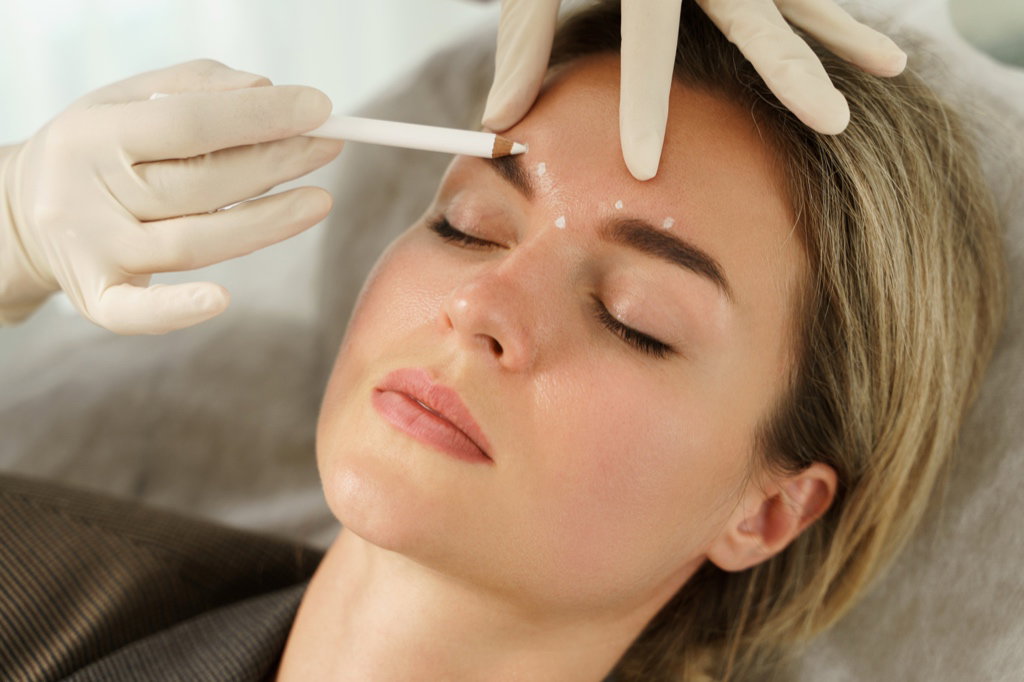
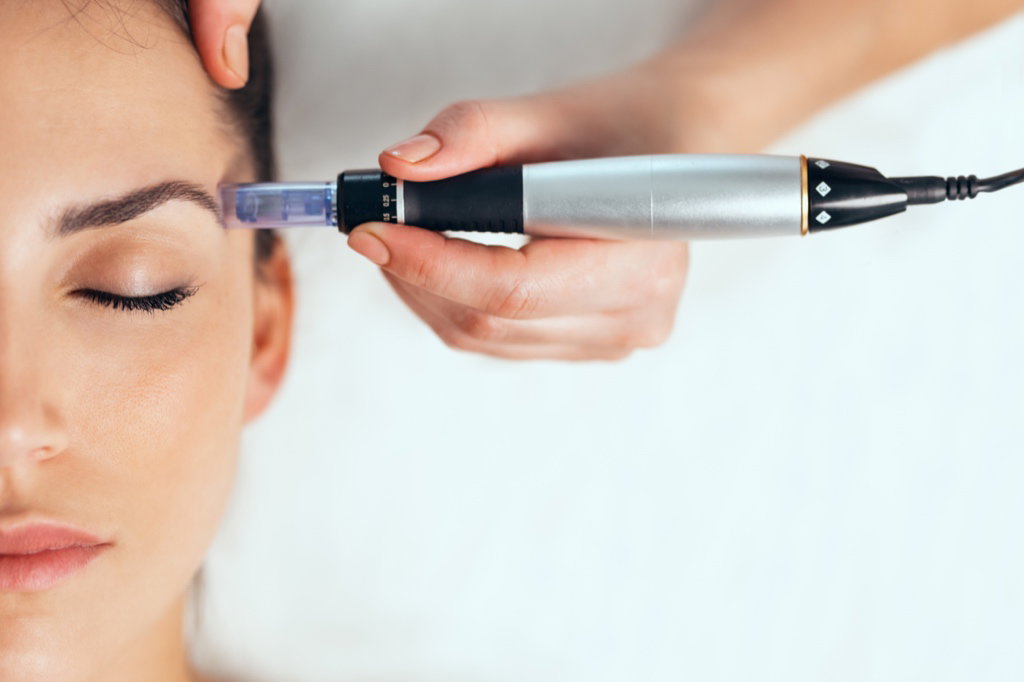
BYRYZN Opuluxe V is designed for application during microneedling procedures. Microneedling creates controlled micro-injuries to the skin using fine needles, typically penetrating 0.2-1.0mm into the dermis depending on treatment parameters and anatomical location.
The scientific basis for microneedling as a delivery method includes:
- Barrier Bypass: The stratum corneum normally presents a formidable barrier to topical absorption of large molecules. Microneedling creates temporary microchannels that allow direct delivery to the papillary dermis.
- Wound Healing Response: The controlled injury initiates a wound healing cascade, including release of growth factors, recruitment of fibroblasts, and activation of collagen synthesis pathways—effects that may complement the bioactive ingredients.
- Enhanced Penetration: Studies using Franz diffusion cells and other permeation models demonstrate significantly increased delivery of molecules across microneedled skin compared to intact skin.
Treatment Protocols in Clinical Practice
Published treatment protocols for BYRYZN Opuluxe V typically involve application every 4 weeks for a series of 2-3 sessions. This interval aligns with the skin’s natural regeneration cycle and allows for assessment of progressive improvements.
Treatment sessions generally involve:
- Skin preparation and cleansing
- Application of topical anesthetic (when indicated)
- Microneedling with concurrent or subsequent application of the formulation
- Post-treatment care instructions
Recovery characteristics commonly include transient erythema (redness) lasting 24-48 hours, similar in appearance to mild sunburn. Most individuals resume normal activities the same day.
Scientific Considerations and Current Evidence
While the individual ingredients in BYRYZN Opuluxe V have varying levels of scientific support:
Strong Evidence Base:
- PLLA’s collagen-stimulating effects are well-documented in peer-reviewed literature with multiple clinical studies and established mechanisms through TGF-β signaling.
- Hyaluronic acid’s hydrating properties are extensively characterized with a robust evidence base.
Moderate Evidence Base:
- PDRN has emerging evidence for wound healing and tissue regeneration, with growing but still limited clinical data in aesthetic applications.
- Adenosine has demonstrated anti-aging effects in controlled studies.
Evolving Evidence Base:
- Glutathione’s role in hyperpigmentation has mixed evidence, with systematic reviews noting limitations in existing studies.
- Postbiotic ingredients like sphingomonas ferment extract represent newer areas of research with preliminary but promising data.
The combination of multiple active ingredients in a single formulation presents both opportunities and scientific questions. Synergistic effects between ingredients are theoretically plausible but require specific clinical validation. The complexity of multi-ingredient formulations makes it challenging to attribute specific outcomes to individual components.
Integration with Skin Biology
Understanding how these ingredients interact with endogenous skin biology provides context for their proposed mechanisms:
Fibroblast Biology: Dermal fibroblasts are the primary cells responsible for synthesizing collagen, elastin, and other extracellular matrix components. Multiple ingredients in Opuluxe V (PDRN, PLLA, adenosine) can influence fibroblast behavior through different signaling pathways, potentially creating complementary effects on matrix synthesis.
Cellular Turnover: The epidermis undergoes continuous renewal, with keratinocytes migrating from the basal layer to the surface over approximately 28 days. Ingredients that support this process may contribute to improved skin texture and radiance.
Barrier Function: The skin barrier depends on both structural proteins and lipid composition. Ingredients addressing hydration (HA), lipid components (ceramide precursors), and structural integrity work through distinct but complementary mechanisms.
Future Directions in Skin Booster Research
The field of skin boosters continues to evolve with several areas of active research:
- Optimization of ingredient concentrations and ratios
- Long-term studies on collagen synthesis and persistence
- Comparative studies between different formulation approaches
- Investigation of patient-specific factors that influence response
- Development of objective measurement tools for skin quality parameters
As our understanding of dermatological aging, wound healing, and regenerative biology advances, formulations like BYRYZN Opuluxe V represent an intersection of biotechnology, dermatology, and materials science, applying scientific principles to address intrinsic skin aging processes.
BYRYZN Opuluxe V at Dermaq Aesthetics
At Dermaq Aesthetics, we are pleased to offer BYRYZN Opuluxe V as part of our advanced skin rejuvenation treatments. This innovative formulation from Hugel provides an evidence-based approach to addressing multiple skin concerns through microneedling delivery.
Treatment Pricing and Packages
BYRYZN Opuluxe V treatments are offered as individual sessions or as part of comprehensive treatment packages designed to optimize results:
Single Sessions:
- Skin Needling + Full Face: $500
- Skin Needling + Face, Neck & Décolletage: $700
Treatment Packages (3 sessions, spaced 4 weeks apart):
- Package x3 Full Face: $1200 (save $300)
- Package x3 Full Face, Neck & Décolletage: $1600 (save $500)
The package pricing provides significant value while ensuring the recommended treatment course for optimal collagen stimulation and skin rejuvenation. Pricing reflects the advanced 8-in-1 formulation, professional microneedling application technique, and comprehensive consultation process.
Who May Benefit from This Treatment
BYRYZN Opuluxe V may be particularly suitable for individuals seeking to address:
- Skin texture irregularities and roughness
- Fine lines and early signs of aging
- Reduced skin firmness and elasticity
- Dull or lackluster complexion
- Uneven skin tone
- Dehydrated skin requiring deep moisture restoration
- Post-inflammatory hyperpigmentation (in conjunction with glutathione’s antioxidant properties)
Consultation Process
As a non-prescription cosmetic treatment (not classified as Schedule 4), BYRYZN Opuluxe V does not require a prescription. However, a thorough consultation is essential to:
- Assess skin type, concerns, and treatment goals
- Review medical history and contraindications
- Discuss realistic expectations and treatment outcomes
- Customize treatment parameters (needle depth, application technique)
- Develop a comprehensive skincare plan
During the consultation, our practitioners evaluate individual skin characteristics and may recommend combination approaches or alternative treatments depending on specific concerns and desired outcomes.
Treatment Availability
BYRYZN Opuluxe V treatments are available at both our South Yarra and Port Melbourne locations. Appointments can be scheduled through our online booking system or by contacting the clinic directly.
For patients considering this treatment, we recommend reviewing our comprehensive treatment page for additional details on the procedure, expected recovery, and before/after care protocols.
Conclusion
BYRYZN Opuluxe V from Hugel represents a multi-component approach to skin rejuvenation, combining ingredients with different mechanisms of action: regenerative molecules (PDRN), collagen biostimulators (PLLA), antioxidants (glutathione), hydrators (hyaluronic acid), and barrier-supporting compounds (sphingomonas ferment extract, ceramides).
The formulation reflects current understanding of skin biology while acknowledging that aesthetic outcomes depend on numerous factors including individual skin characteristics, treatment technique, and the complex interactions between introduced compounds and endogenous tissue responses. As with many aesthetic interventions, continued research and clinical experience will further refine our understanding of optimal applications and expected outcomes.
For healthcare providers and patients, understanding the scientific basis of these ingredients provides a foundation for informed decision-making regarding skin rejuvenation approaches and realistic expectations for treatment outcomes.
© Dermaq Institute | Media Inquiries
.jpg)