Hair loss is rarely just cosmetic. Whether it’s a widening part line, a thinning crown, or handfuls in the shower drain, losing hair affects how you feel in every room you walk into. It’s also far more common than most people realise, affecting roughly half of all adults by age 50.
PRP therapy uses your body's own growth factors to reactivate dormant follicles and support thinning hair. The key is early intervention, while follicles are still responsive to treatment.
Understanding Hair Loss
50%
Of adults affected by 50
100K
Follicles on a typical scalp
2-6yr
Active growth phase per hair
90%
Of hair in growth at any time
Hair grows in cycles. At any given time, around 90% of your hair is in an active growth phase (anagen), while the rest is resting or shedding. Hair loss occurs when this cycle is disrupted, either by follicles spending less time in the growth phase, producing thinner strands, or stopping production entirely.
The key is timing. Follicles that have recently become dormant are far more responsive to treatment than those that stopped producing years ago. Early intervention gives regenerative therapies the best chance of producing visible results.
Common Patterns We See
Gradual thinning is the most common presentation. Hair doesn’t disappear overnight. Instead, individual strands become progressively finer over months or years until the scalp becomes visible through what used to be thick coverage.
Post-event shedding can follow pregnancy, surgery, illness, or periods of significant stress. This type of hair loss (telogen effluvium) is usually temporary, but regenerative treatments can help accelerate recovery.
Pattern loss follows predictable paths, typically starting at the temples or crown. Genetics and hormones drive this process, and it responds best to treatment when caught early.
When to Act
| Stage |
What You Notice |
Treatment Response |
| Early Thinning |
Hair feels less dense, part line slightly wider |
Excellent — follicles highly responsive |
| Moderate Loss |
Scalp visible through hair, noticeable thinning |
Good — most follicles still recoverable |
| Advanced Thinning |
Significant scalp exposure, fine wispy hair |
Moderate — some follicles may be past recovery |
| Long-Standing Baldness |
Smooth scalp, no visible hair |
Limited — follicles likely dormant beyond reactivation |
How PRP Hair Restoration Works
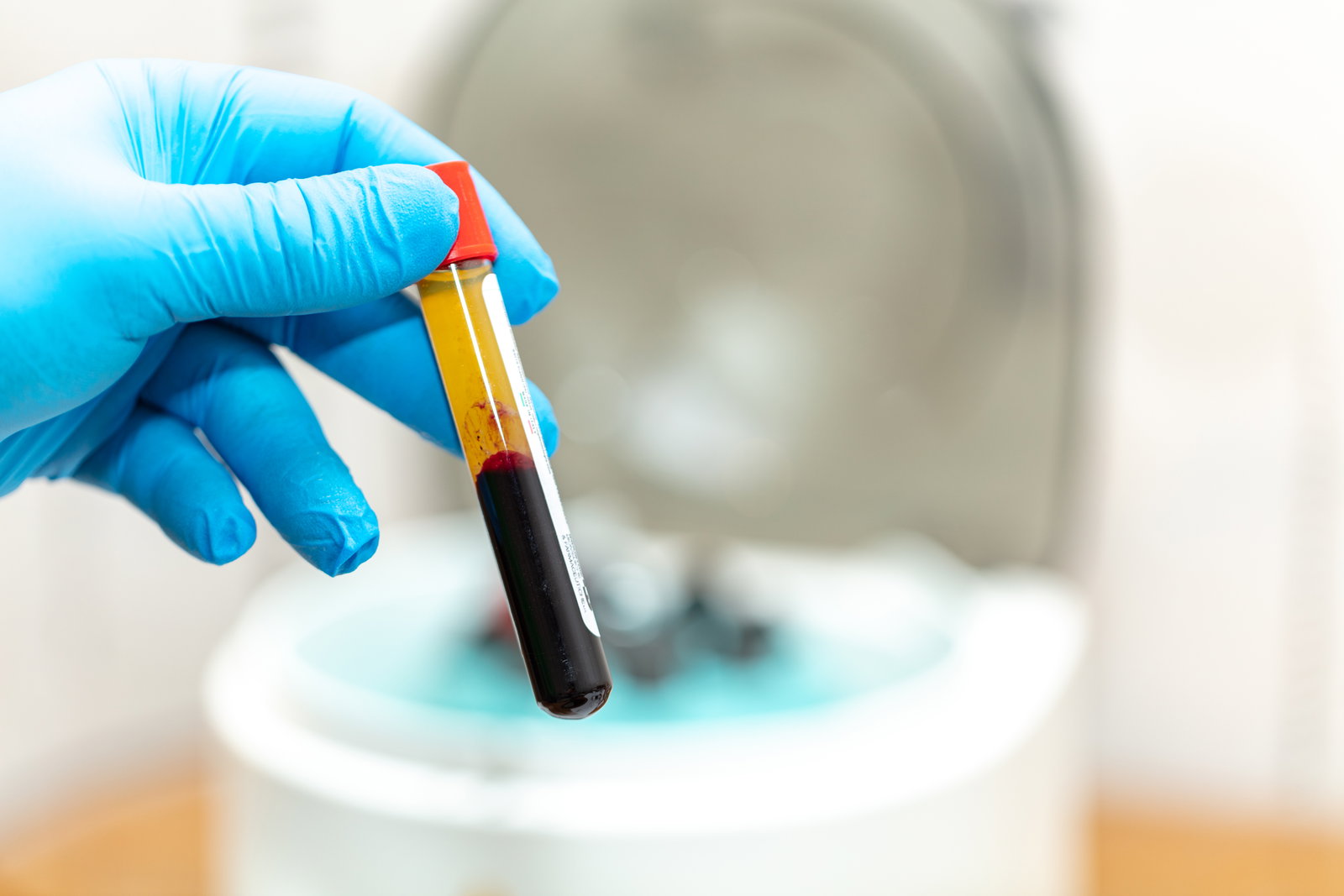
Draw
Small blood sample taken from your arm
Concentrate
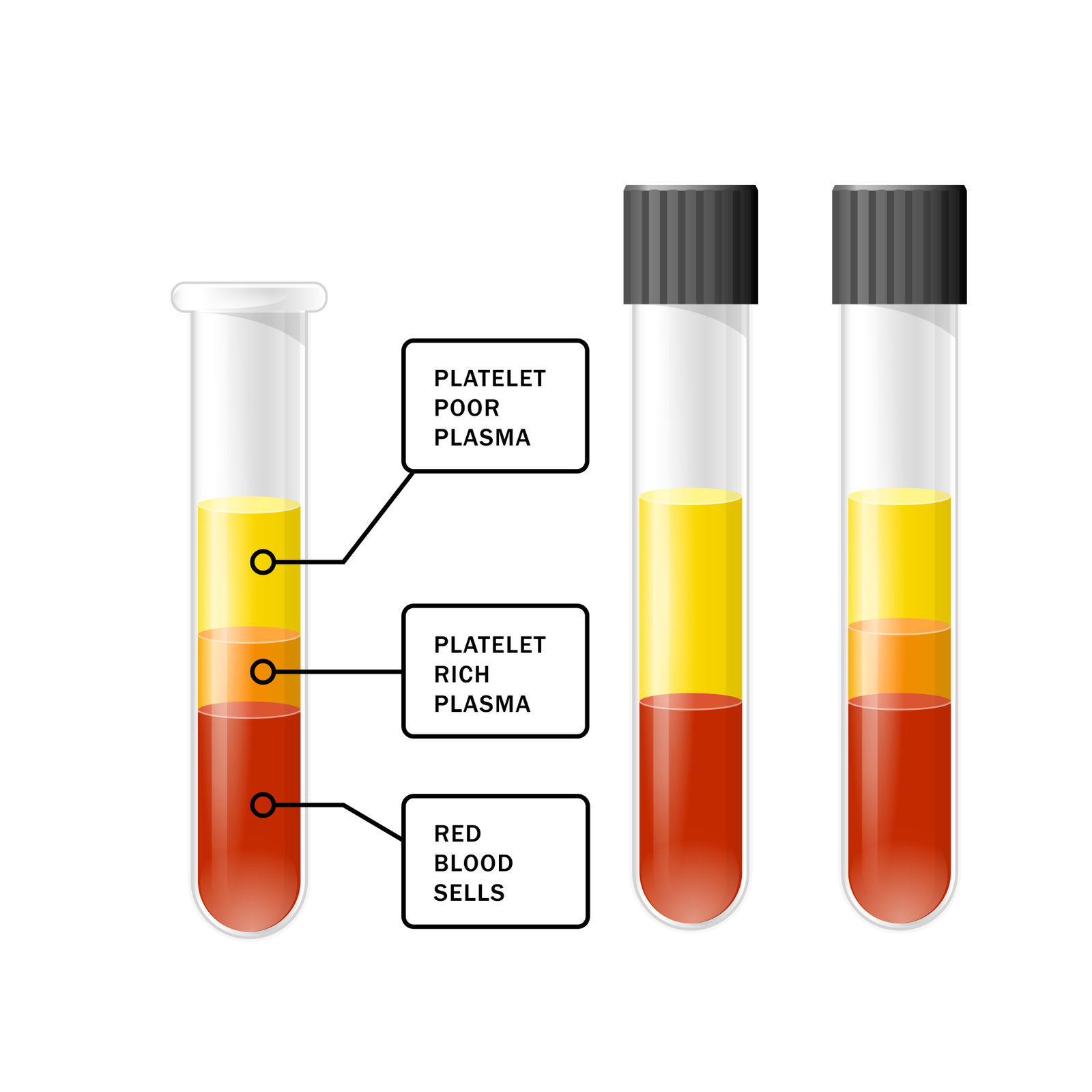
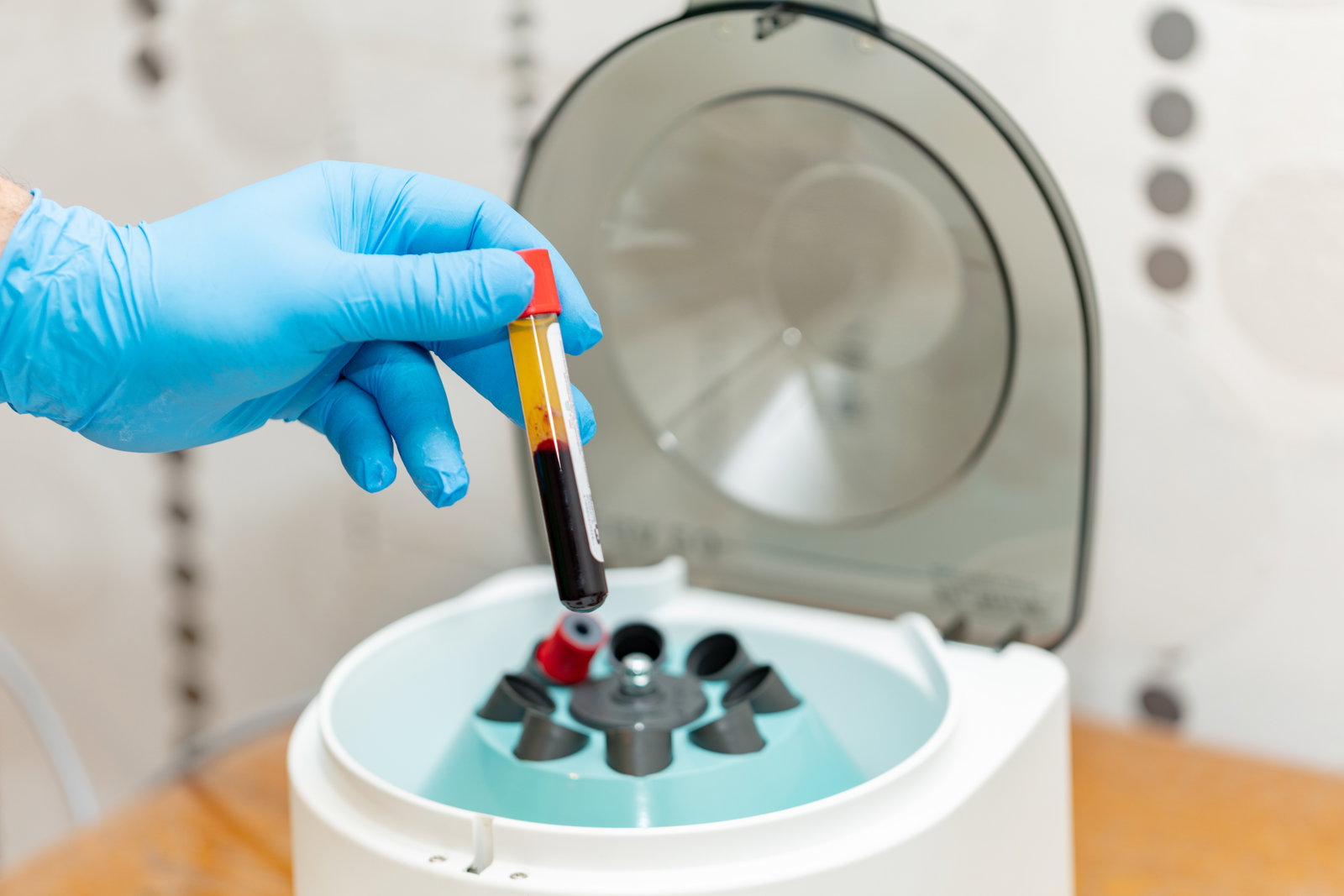
Centrifuge separates platelet-rich plasma
Inject
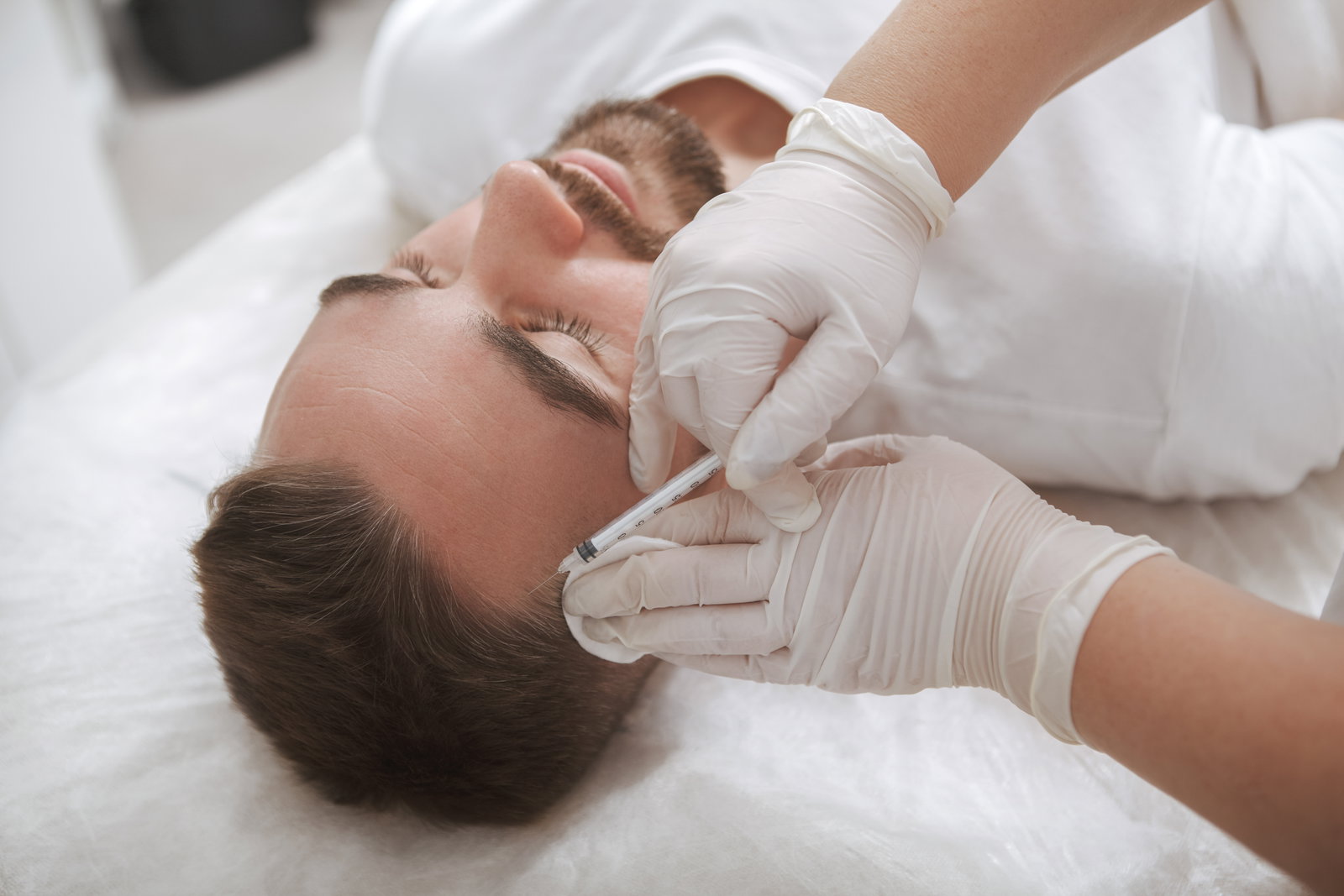
Growth factors delivered directly to the scalp
PRP (platelet-rich plasma) therapy concentrates the growth factors found naturally in your blood and delivers them directly to the scalp. These growth factors signal dormant follicles to re-enter the active growth phase and support the miniaturised follicles that are producing thinner hair.
The process involves drawing a small amount of blood, processing it to concentrate the platelets, and injecting the resulting plasma into the areas of thinning. Each session takes around 45 minutes.
Most patients need an initial series of treatments spaced several weeks apart, followed by maintenance sessions. Results develop gradually as the hair growth cycle responds, with visible improvement typically appearing after several months.
What PRP Delivers to the Scalp
Platelet-derived growth factor (PDGF) — stimulates cell growth
Vascular endothelial growth factor (VEGF) — improves blood supply
Transforming growth factor (TGF) — promotes tissue repair
Epidermal growth factor (EGF) — supports follicle health
Insulin-like growth factor (IGF) — regulates hair cycling
Fibrin matrix — scaffolding for sustained growth factor release
What to Expect
During Your Consultation
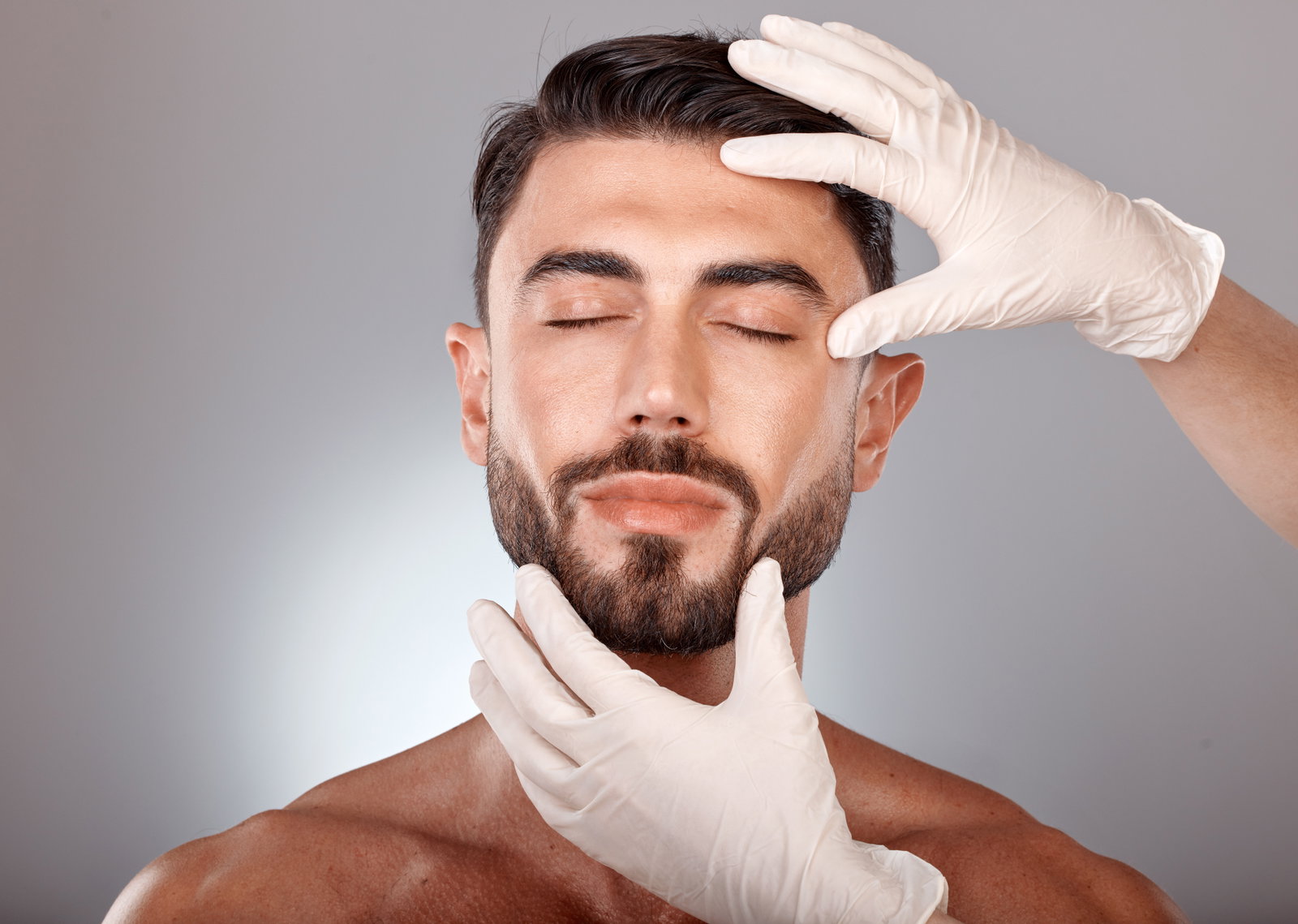
We assess your hair loss pattern, discuss your medical history, and set realistic expectations. Not every type of hair loss responds to the same approach, and an honest assessment upfront saves time and money.
During Treatment
PRP scalp treatments are well-tolerated. Topical anaesthetic is applied to the treatment area beforehand. Most patients describe mild pressure during the injections. You can return to normal activities the same day.
Results Timeline
| Timeframe |
What's Happening |
What You See |
| Weeks 1-4 |
Growth factors activating follicle stem cells |
No visible change yet |
| Months 2-3 |
Dormant follicles re-entering anagen phase |
Reduced shedding, early fine regrowth |
| Months 4-6 |
New hairs thickening as they mature |
Visible improvement in density and coverage |
| Months 6-12 |
Full growth cycle completing for treated follicles |
Meaningful difference in volume and thickness |
Hair growth is slow by nature. Patients who commit to the recommended treatment schedule see the best outcomes. We track progress with photos at each visit so changes are measurable, not just subjective.
Who Responds Best
Good Candidates Have:
Recent or ongoing thinning (not long-standing baldness)
Visible miniaturised hairs in thinning areas
Diffuse thinning rather than complete loss
Realistic expectations about gradual improvement
Willingness to commit to a treatment series
No untreated scalp conditions or active infections
It’s important to be honest: PRP is not a cure for baldness. It works best for people whose follicles are still present but underperforming. During your consultation, we’ll assess whether your hair loss pattern is likely to respond and what realistic improvement looks like for your situation.
Supporting Your Results
Between Treatments
Nutrition: Iron, zinc, biotin, and vitamin D support healthy hair cycling. We can discuss whether supplementation makes sense for you.
Scalp Health: A clean, well-nourished scalp provides the best environment for regrowth. Avoid harsh chemicals and excessive heat styling in treatment areas.
Stress Management: Chronic stress is a direct trigger for telogen effluvium. Addressing it supports treatment outcomes.
Patience: Hair grows roughly 1cm per month. Visible density changes take multiple growth cycles to become apparent.
Complementary Approaches
PRP can be combined with other strategies for a more comprehensive approach:
PRF (Platelet-Rich Fibrin)
A next-generation concentration that releases growth factors more slowly for sustained effect
Topical Treatments
Medical-grade topicals can work alongside PRP to support follicle health between sessions
Why Choose Dermaq Aesthetics
- Honest Assessment: We tell you upfront whether your hair loss pattern is likely to respond to treatment
- Experienced Practitioners: PRP scalp injections require precise technique and knowledge of scalp anatomy
- Progress Tracking: Standardised photos at every session so improvements are documented, not guessed at
- Flexible Scheduling: Treatment plans adapted to your timeline and budget
- Full Regenerative Menu: Access to both PRP and PRF therapies depending on what suits your case
Take the First Step
The earlier you address thinning hair, the more options you have. Book a consultation to find out whether regenerative hair treatment is right for your situation.
Hair loss doesn’t have to be something you just accept. Modern regenerative treatments offer real improvement for the right candidates, and a consultation is the first step to finding out where you stand.