






If you’ve browsed Australian cosmetic clinic websites recently, you may have noticed that terms like “Botox”, “anti-wrinkle injections”, and “dermal fillers” are conspicuously absent. This isn’t a marketing trend or coincidence - it’s the result of Australia’s strict therapeutic goods advertising laws.
The Regulatory Framework
In Australia, the Therapeutic Goods Administration (TGA) regulates how prescription-only medicines can be discussed in public-facing materials. Botulinum toxin products (including Botox, Dysport, and Xeomin) and hyaluronic acid dermal fillers are classified as Schedule 4 prescription-only medicines under the Poisons Standard.
Under the Therapeutic Goods Act 1989 and the Therapeutic Goods Advertising Code, it is illegal to advertise prescription-only medicines directly to consumers. This applies to all public channels including websites, social media, print materials, and third-party content such as influencer collaborations.
What Changed Recently
The TGA significantly tightened its advertising code in December 2023, with enforcement ramping up throughout 2024. The updated regulations specifically targeted what the TGA calls “indirect advertising” - the use of generic terms that clearly refer to prescription treatments.
Terms now considered non-compliant include:
- Anti-wrinkle injections
- Wrinkle relaxers
- Muscle relaxants (in a cosmetic context)
- Dermal fillers
- Lip fillers
- Any brand names such as Botox, Dysport, Xeomin, or Juvederm
Even phrases that don’t name specific products but unmistakably refer to prescription treatments fall under the ban. The TGA’s position is that if a reasonable person would understand the term to mean a prescription medicine, it constitutes advertising.
Why These Rules Exist
The TGA’s restrictions serve several public health objectives:
Ensuring Medical Oversight: Prescription medicines require assessment by a qualified healthcare practitioner who can evaluate whether a treatment is appropriate for an individual patient. Direct-to-consumer advertising bypasses this clinical decision-making process.
Preventing Trivialisation: Cosmetic injectables carry real medical risks including infection, vascular occlusion, and allergic reactions. The TGA is concerned that promotional advertising may trivialise these procedures and lead consumers to underestimate the risks involved.
Reducing Pressure: By removing promotional content, the regulations aim to ensure that decisions about cosmetic treatments are made in a clinical setting, free from marketing pressure or social media influence.
Protecting Vulnerable Consumers: The TGA has expressed particular concern about the impact of cosmetic advertising on young people and those with body image issues.
The June 2025 Clarifications
In June 2025, the TGA released additional guidance addressing grey areas that had emerged since the 2024 changes. Key clarifications included:
Disguised Advertising: Educational content that subtly promotes a treatment is still considered advertising. Content that includes booking calls-to-action or indirectly references prescription medicines must comply with all advertising rules.
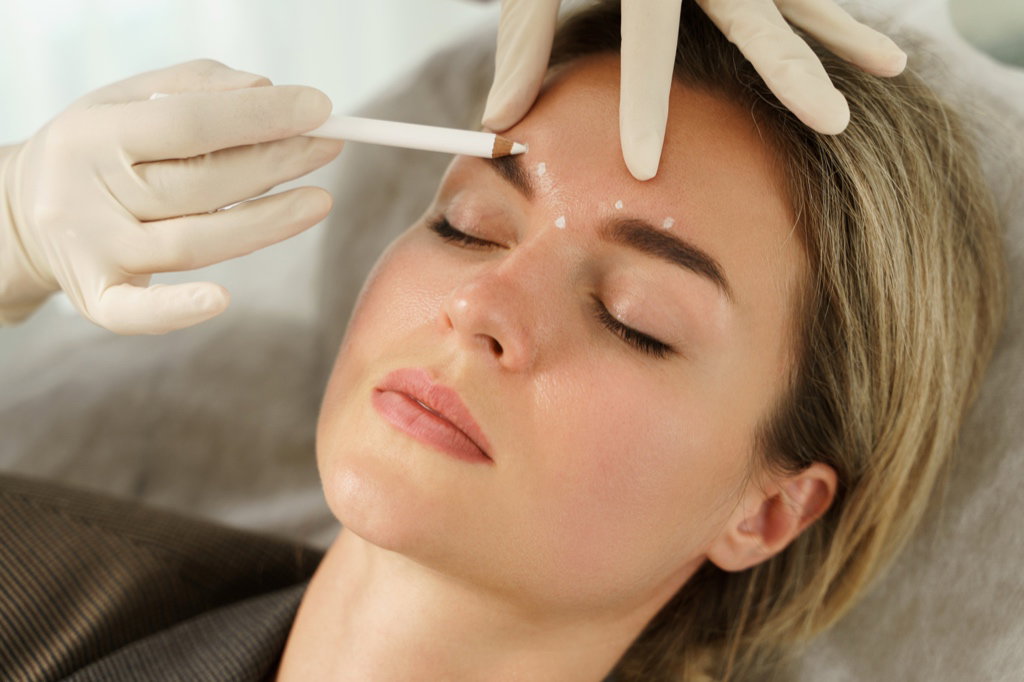
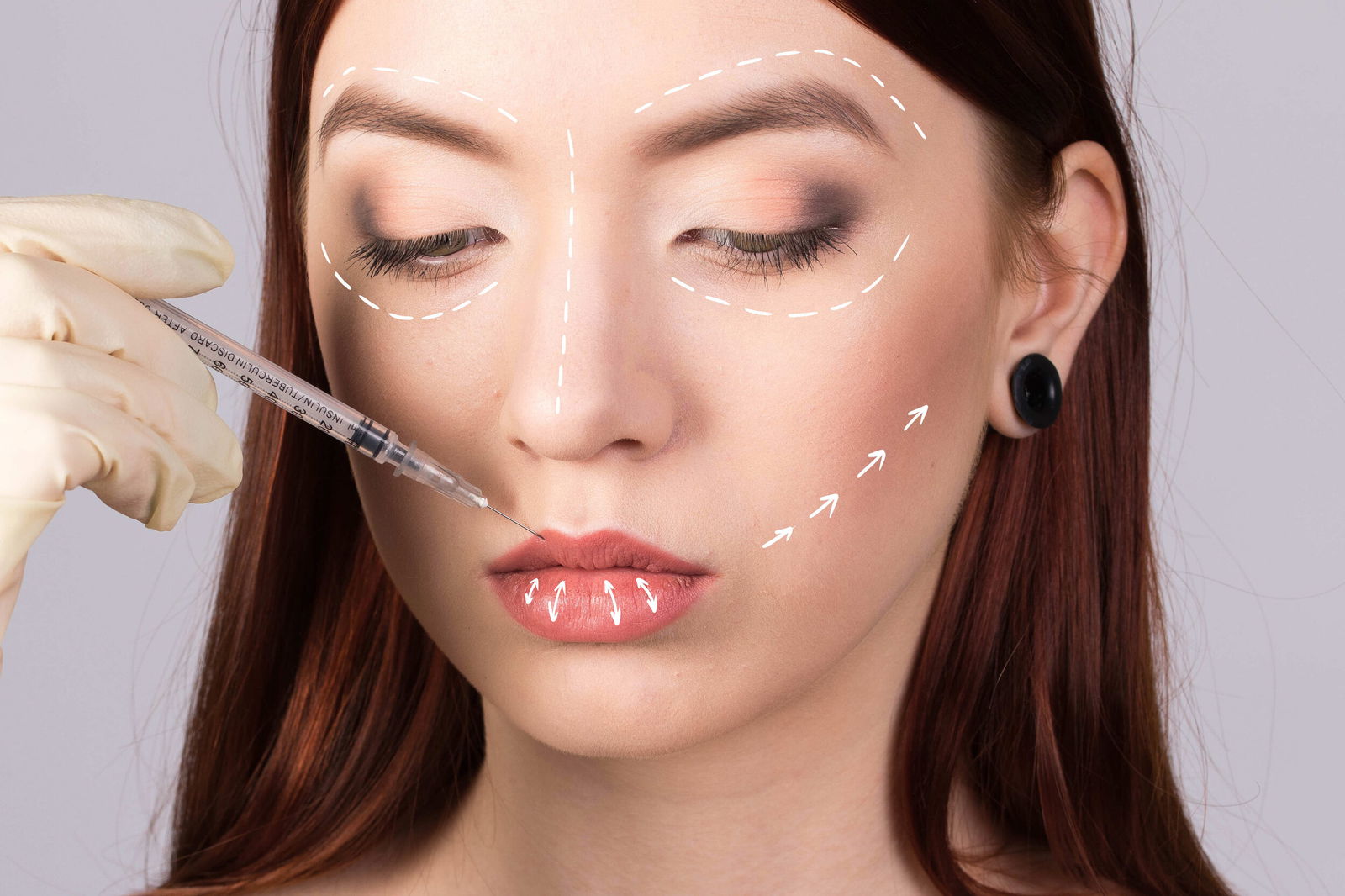
Visual Cues: Images of syringes, treatment animations, or facial mapping graphics can imply prescription procedures and may be treated as promotional content.
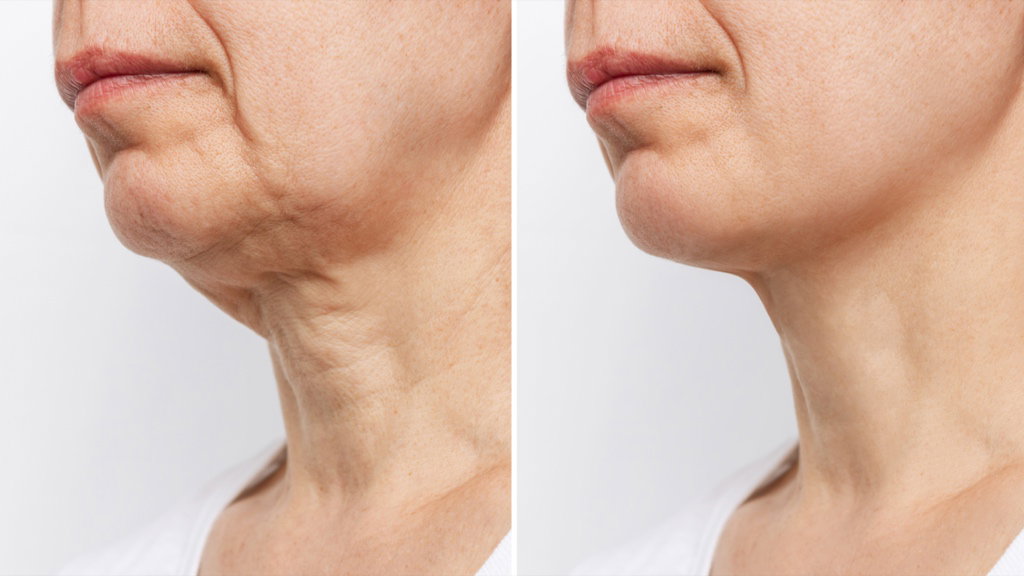
Testimonials and Before-and-After Images: These are explicitly prohibited for prescription treatments, even when shared by patients themselves on clinic social media.
Influencer Content: Social media influencers who post about receiving treatments like Botox or fillers, or use related hashtags, may be considered to be engaging in illegal advertising. Clinics can be held responsible for influencer content associated with their services.
Penalties for Non-Compliance
The TGA takes advertising breaches seriously. Consequences can include:
- Formal warnings and compliance notices
- Infringement notices with financial penalties
- Civil penalty orders through the Federal Court
- In serious cases, criminal prosecution
The TGA actively monitors digital platforms and has issued numerous compliance notices to clinics and individuals since the updated rules came into effect.
How Clinics Are Adapting
Australian cosmetic clinics have had to substantially revise their marketing approaches. Compliant communication now focuses on:
- Describing the concerns that patients commonly experience (fine lines, volume loss, skin texture)
- Explaining what happens during a consultation
- Discussing non-prescription treatments such as LED therapy, chemical peels, and skincare
- Emphasising the importance of individualised medical assessment
Information about specific prescription treatments is now reserved for private consultations where a practitioner can assess the patient’s medical history and discuss appropriate options.
The Broader Context
Australia’s approach to cosmetic injectable advertising is among the strictest in the world. By contrast, the United States permits direct-to-consumer advertising of prescription medicines, which is why Botox commercials are common on American television but would be illegal in Australia.
The TGA’s position reflects a broader principle in Australian healthcare regulation: that decisions about prescription medicines should be made in collaboration with qualified healthcare practitioners, not influenced by commercial advertising.
What This Means for Consumers
For those researching cosmetic treatments, the new regulations mean that reliable information about specific prescription options is best obtained through a consultation with a qualified practitioner. While this may feel like an additional step, it ensures that any information you receive is tailored to your individual circumstances and medical history.
General information about the ageing process, skin health, and non-prescription skincare remains widely available. For anything involving prescription medicines, a clinical consultation is now the appropriate pathway.
References
- Therapeutic Goods Administration. “Advertising health services and cosmetic injections: frequently asked questions and answers.” Australian Government Department of Health and Aged Care.
- Therapeutic Goods Administration. “Referring to cosmetic injectables in advertising.” Australian Government Department of Health and Aged Care.
- Therapeutic Goods Administration. “Therapeutic Goods Advertising Code (No. 2) 2018.” Federal Register of Legislation.
© Dermaq Institute | Media Inquiries

.jpg)