


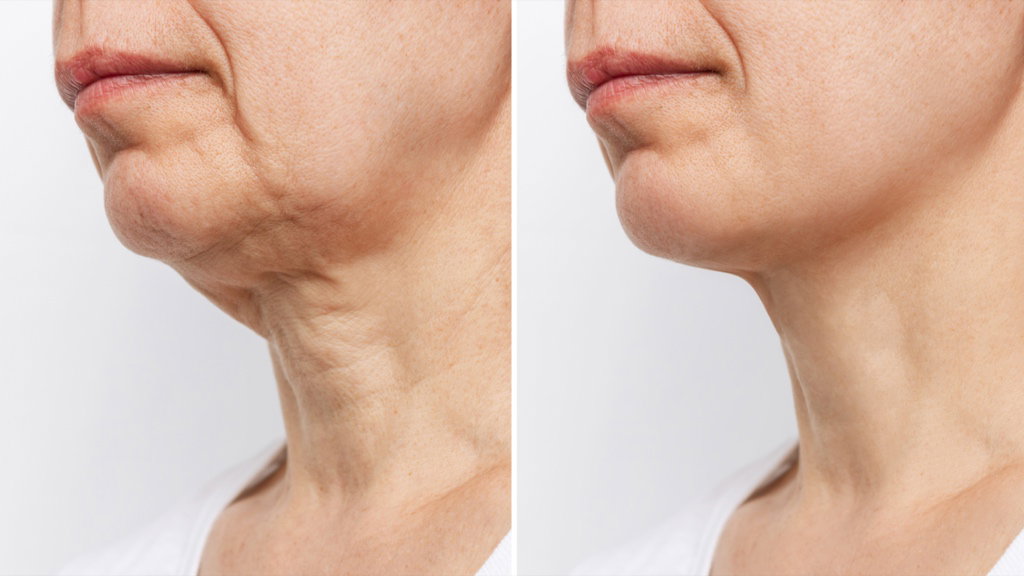




A double chin, medically known as submental fullness, is one of the most common aesthetic concerns among adults. It can affect people of all ages, body types, and fitness levels, and is often resistant to diet and exercise alone. Understanding why a double chin develops and what options exist for reducing it can help you make informed decisions about your approach.
What Causes a Double Chin?
Several factors contribute to the accumulation of fat beneath the chin:
- Genetics — Family history plays a significant role in where your body stores fat. Some people are genetically predisposed to carry excess fat in the submental area, regardless of their overall weight.
- Ageing — As skin loses elasticity over time, it can begin to sag in the lower face and neck, creating the appearance of a double chin even without significant fat deposits.
- Weight fluctuations — Gaining weight can increase fat deposits under the chin, and repeated weight gain and loss may reduce skin elasticity in the area.
- Posture — Prolonged poor posture, particularly from looking down at screens, can weaken the muscles of the neck and chin over time, contributing to the appearance of submental fullness.
Can Diet and Exercise Help?
General weight loss through a balanced diet and regular exercise can reduce overall body fat, which may improve the appearance of a double chin in some individuals. However, it is not possible to spot-reduce fat from a specific area of the body. The submental region is particularly stubborn, and many people find that even with significant weight loss, fullness beneath the chin persists.
Certain exercises targeting the neck and jaw muscles are sometimes suggested, but there is limited clinical evidence to support their effectiveness in meaningfully reducing submental fat. While they may help improve muscle tone, they are unlikely to produce noticeable changes on their own.
Non-Surgical Options for Reducing a Double Chin
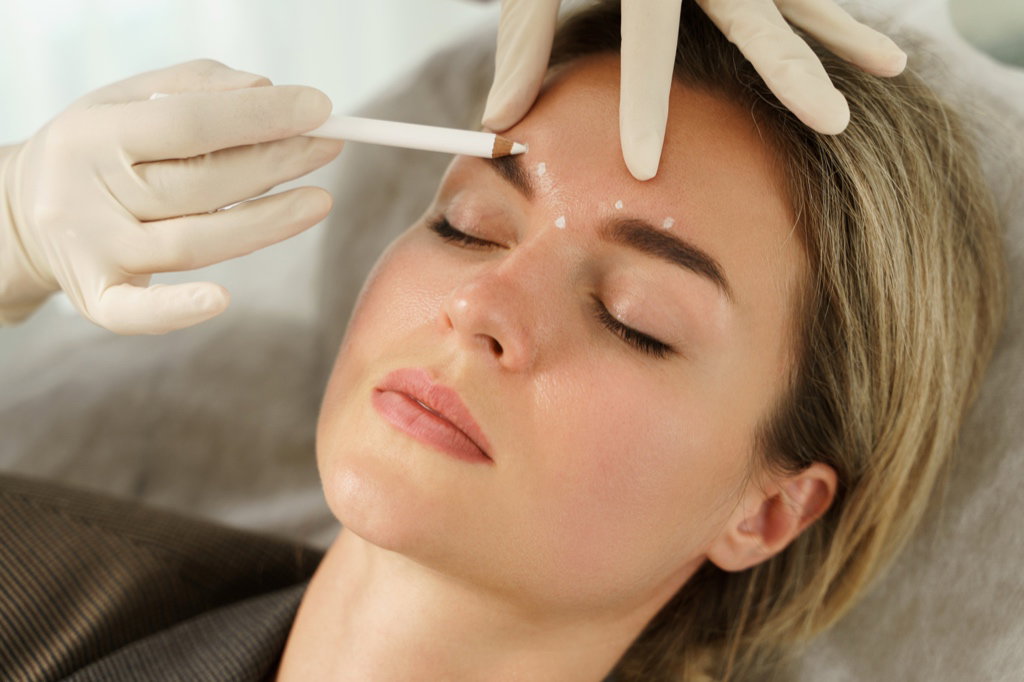
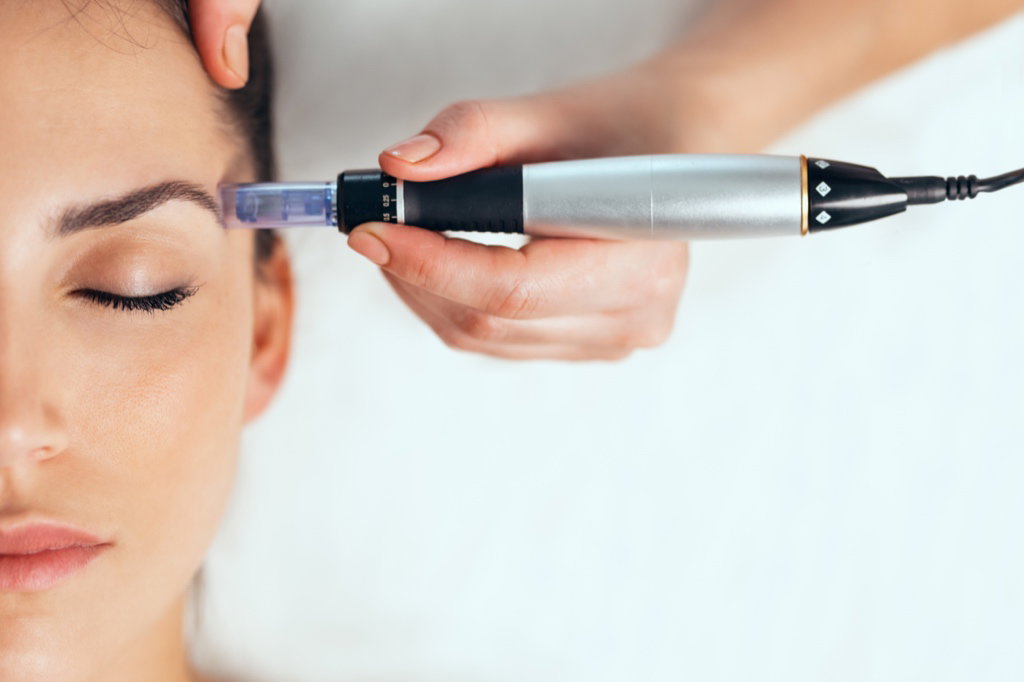
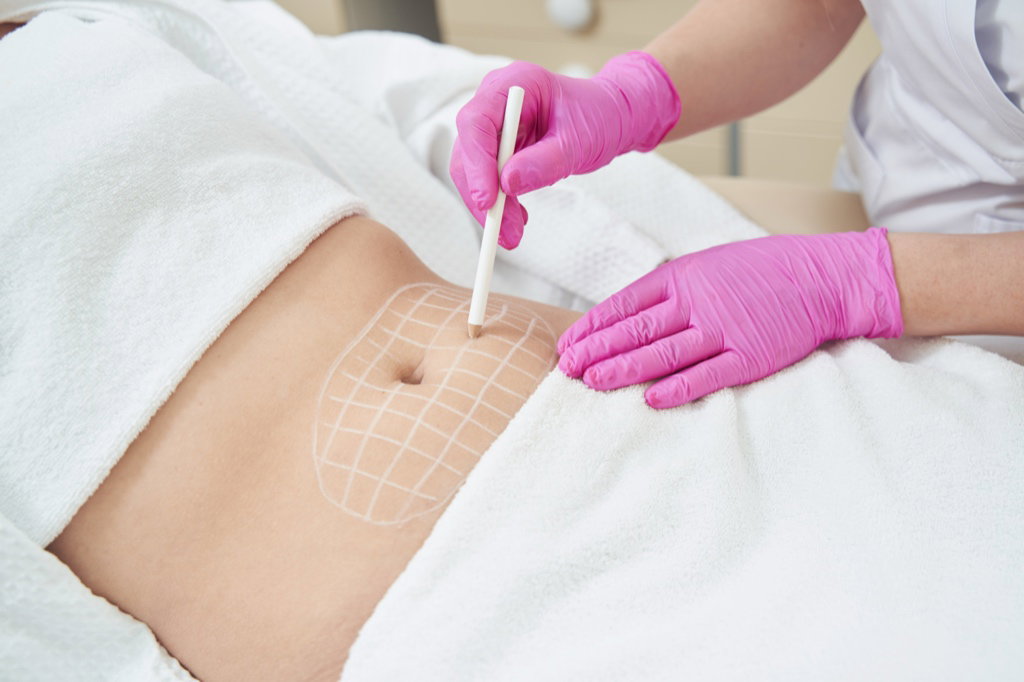
For those seeking a more targeted approach, non-surgical treatments have become increasingly popular. These options can address submental fat directly without the need for surgery or general anaesthesia.
Fat Dissolving Injections
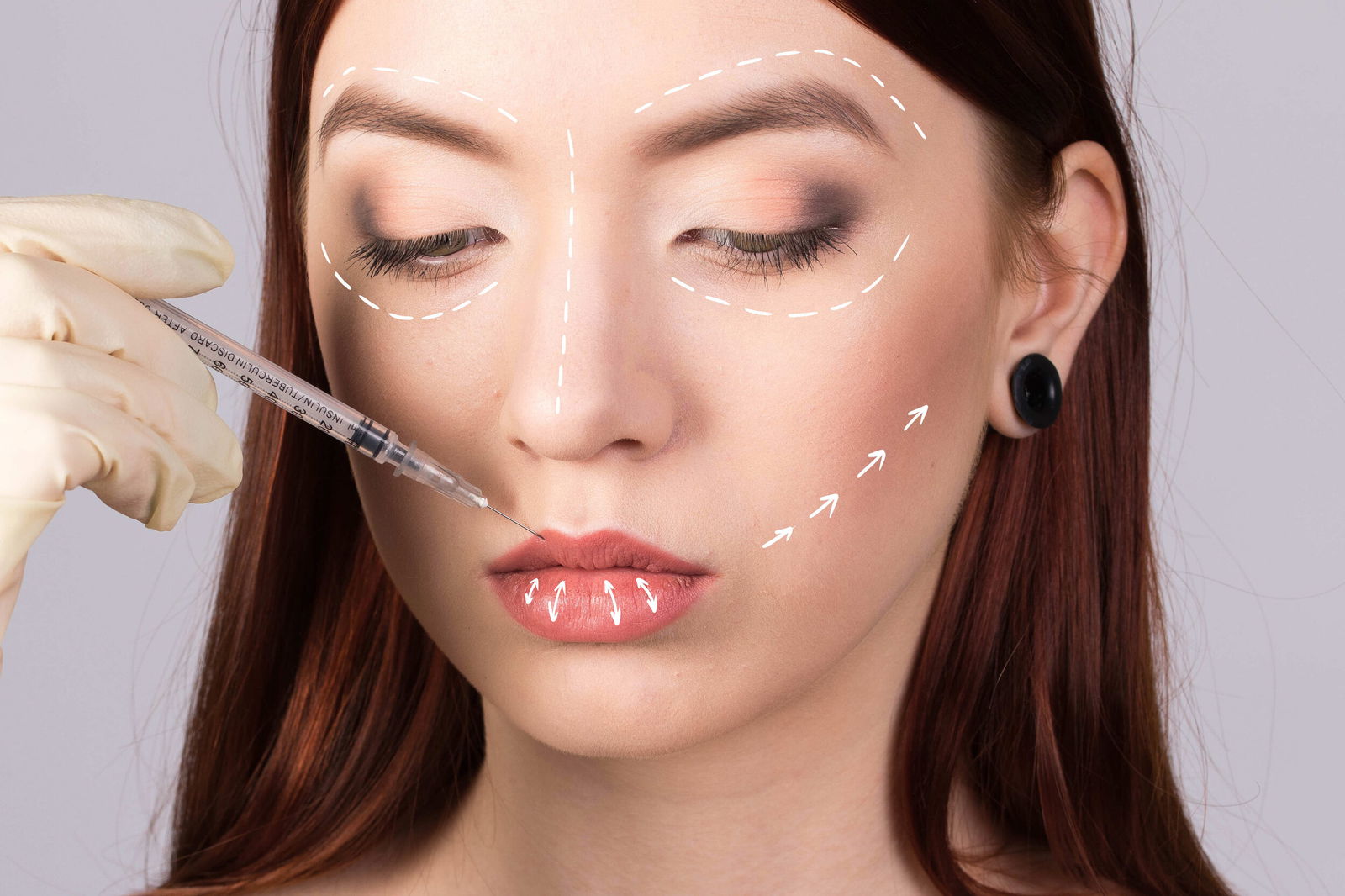
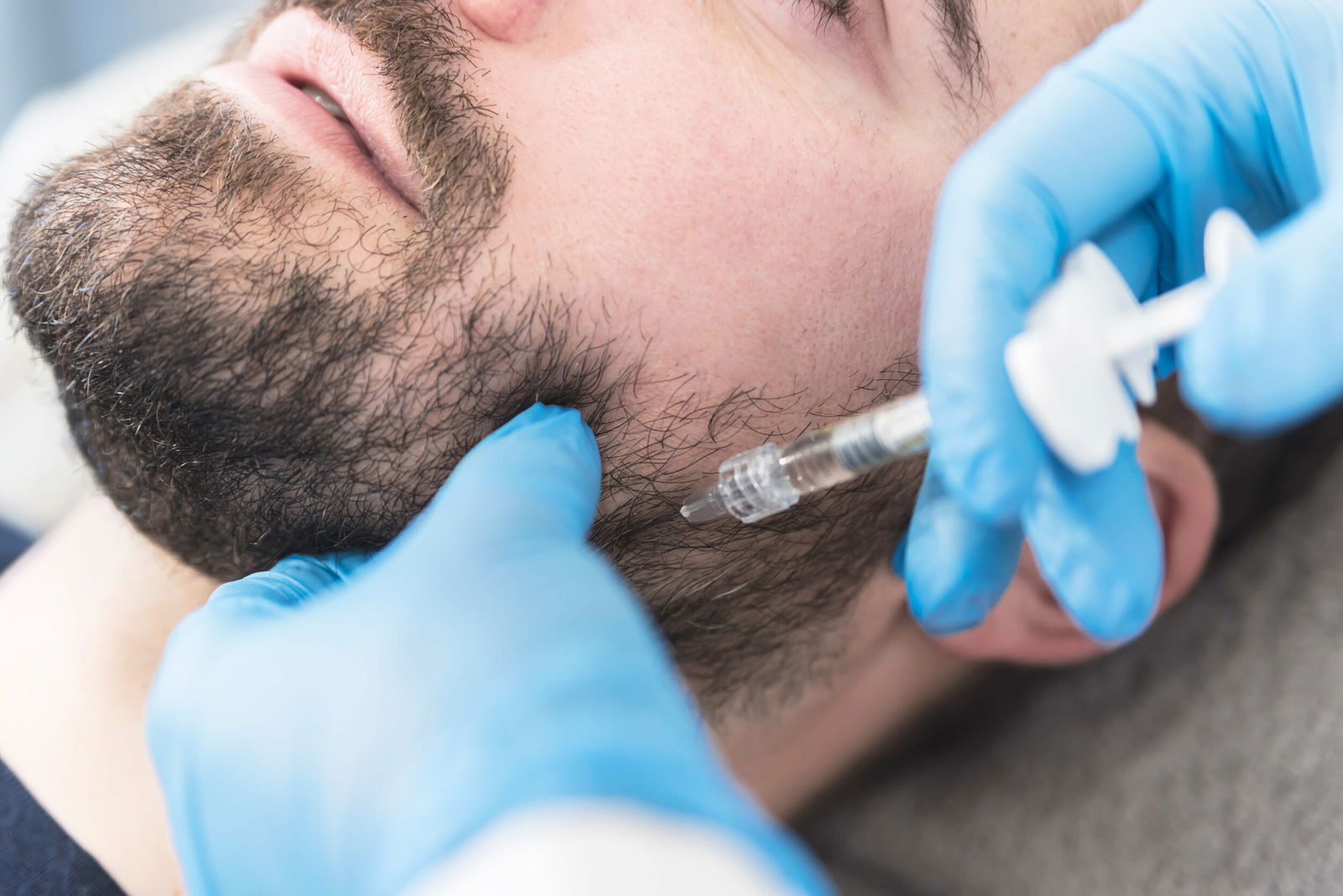
Fat dissolving injections are one of the most widely used non-surgical treatments for submental fullness. The active ingredient, a synthetic form of deoxycholic acid, is a substance that occurs naturally in the body and aids in the breakdown and absorption of dietary fat.
When injected into the submental area, it works by disrupting the membrane of fat cells, causing them to break down. The body then gradually processes and eliminates these cells through its natural metabolic pathways. Once destroyed, these fat cells do not regenerate, which is why the reduction in the treated area tends to be sustained over time.
A typical treatment plan involves multiple sessions spaced several weeks apart. The number of sessions required varies depending on the individual and the amount of submental fat present.
Cryolipolysis
Cryolipolysis, commonly known as fat freezing, uses controlled cooling to target and reduce fat cells beneath the skin. An applicator is placed under the chin, and the cooling technology crystallises fat cells, which the body then naturally eliminates over the following weeks. This treatment is non-invasive and requires no needles or incisions.
What to Expect from Non-Surgical Treatment
Non-surgical double chin treatments are performed in a clinical setting and typically take between 20 and 45 minutes per session, depending on the approach used. Key points to be aware of include:
- Gradual results — Changes are not immediate. Fat dissolving injections, for example, produce results over a period of four to six weeks following each session, as the body processes the disrupted fat cells.
- Multiple sessions — Most individuals require two to four treatment sessions to achieve their desired outcome, though this varies.
- Temporary side effects — Common side effects include swelling, bruising, numbness, and tenderness in the treatment area. These are generally temporary and resolve within one to two weeks.
- Downtime — Most non-surgical treatments involve minimal downtime. Some swelling may be visible for several days following treatment, but most people can return to daily activities relatively quickly.
Who Is a Good Candidate?
Non-surgical treatments for submental fullness are generally suitable for adults who:
- Have moderate to severe fat beneath the chin
- Are at or near a stable body weight
- Have realistic expectations about what non-surgical treatment can achieve
- Are in good overall health without conditions that may affect healing
These treatments are designed to reduce fat, not to address significant skin laxity. Individuals with considerable loose skin in the chin and neck area may be better suited to other approaches, and a consultation with a qualified medical professional can help determine the most appropriate option.
Limitations to Consider
While non-surgical treatments can produce meaningful improvements in submental fullness, it is important to understand their limitations:
- Results vary between individuals and are influenced by factors such as the amount of fat present, skin quality, and the body’s response to treatment.
- Non-surgical treatments are not a substitute for weight management. Maintaining a stable, healthy weight supports long-term results.
- Significant skin laxity may not be fully addressed by fat reduction alone.
Making an Informed Decision
A double chin can be a source of self-consciousness for many people, particularly when diet and exercise do not produce the desired improvement. Non-surgical treatments offer a targeted approach to reducing submental fat, but the right option depends on individual anatomy, goals, and expectations.
A thorough consultation with a qualified medical practitioner is an important first step. This allows for a proper assessment of the treatment area and a discussion of realistic outcomes based on your specific situation.
© Dermaq Institute | Media Inquiries