




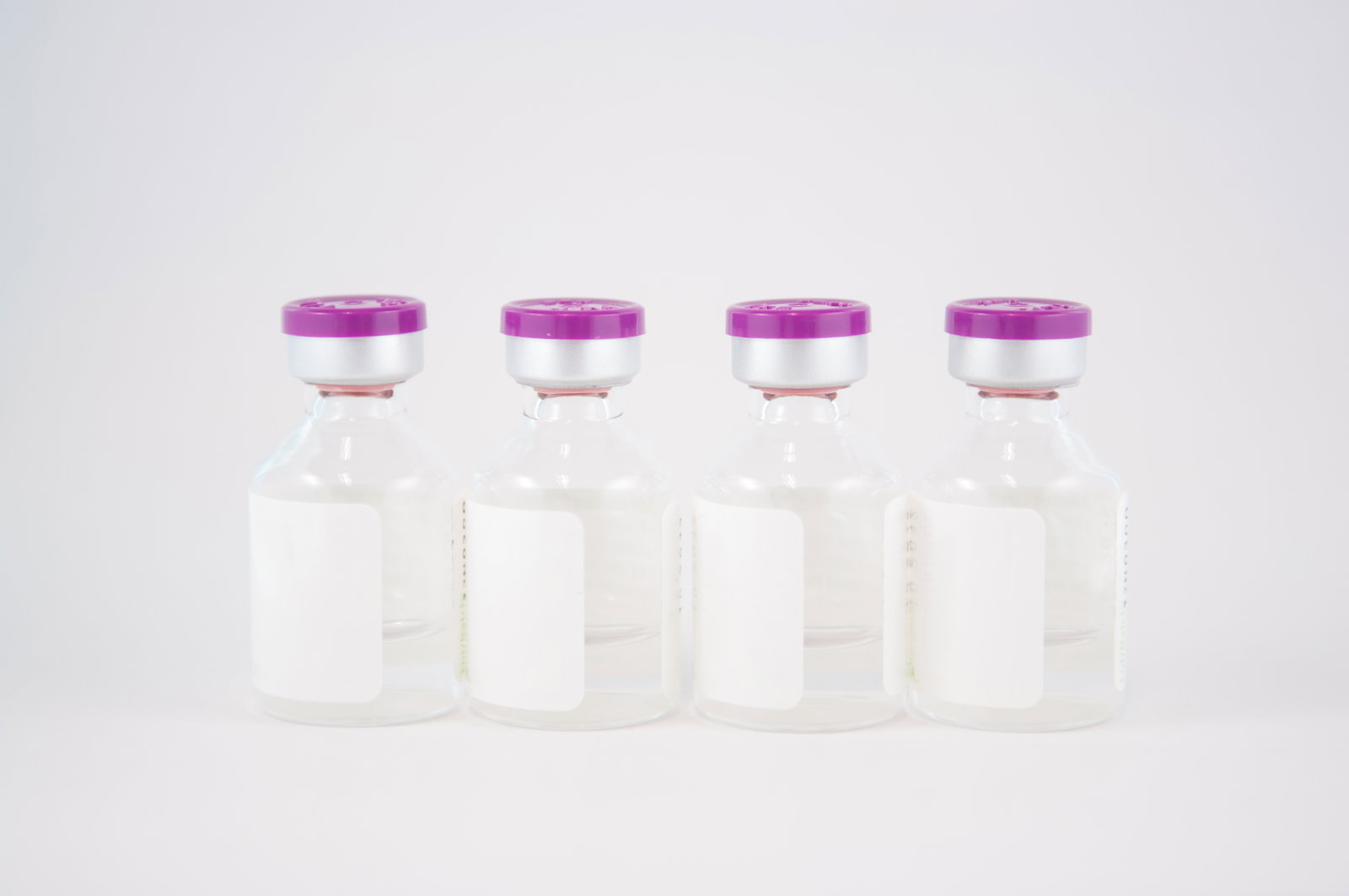
The underground trade in cosmetic injectables has become a growing concern for Australian health authorities. Schedule 4 prescription medications, including botulinum toxin products like Botox and Dysport, are being sold through online marketplaces and social media platforms, delivered directly to consumers complete with DIY injection kits.
For patients considering anti-wrinkle injections, dermal fillers, or skin boosters, understanding the difference between legitimate clinical treatment and black market products has never been more important.
The Growth of Underground Cosmetic Markets
Social media has transformed how people discover cosmetic treatments. Platforms like TikTok and Instagram are filled with before-and-after content, making procedures like lip filler, anti-wrinkle injections, and skin boosters appear straightforward and accessible. This normalisation has fuelled demand, but it has also created an environment where unregulated sellers can market directly to consumers who may not fully understand the risks.
Black market suppliers now ship complete injection kits alongside Schedule 4 medications, including syringes, needles, saline, alcohol swabs, and gloves. The message is clear: these products are being marketed for self-injection at home.
Products are often deliberately mislabelled to evade customs detection, arriving in packaging marked as skincare, masks, or other innocuous items. The sophistication of these operations makes border interception increasingly difficult.
Understanding the Real Risks of Unregulated Injectables
Product Quality and Authenticity
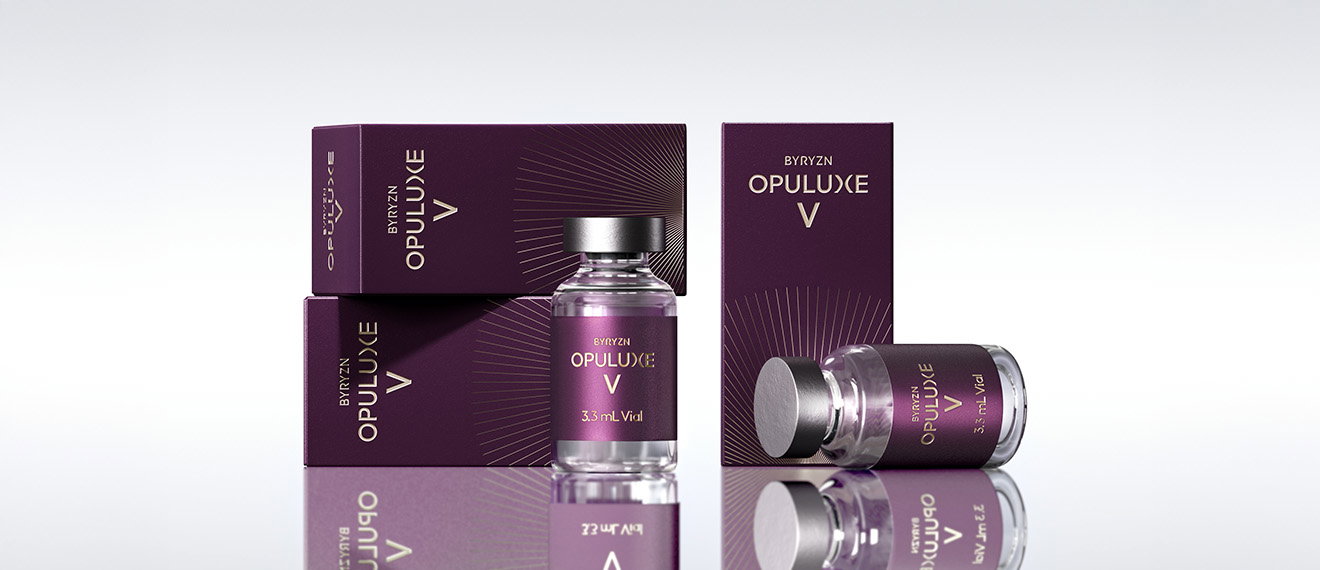
When cosmetic injectables are purchased through legitimate Australian medical suppliers, they come with batch tracking, proper cold-chain storage, and TGA approval. Black market products offer none of these assurances.
Counterfeit botulinum toxin may contain incorrect concentrations, making dosing impossible to predict. Some counterfeit products have been found to contain no active ingredient at all, while others contain dangerously high concentrations. Cases of patients requiring intensive care and mechanical ventilation after using counterfeit products serve as stark reminders that these are prescription medications with real physiological effects.
The Complexity of Facial Anatomy
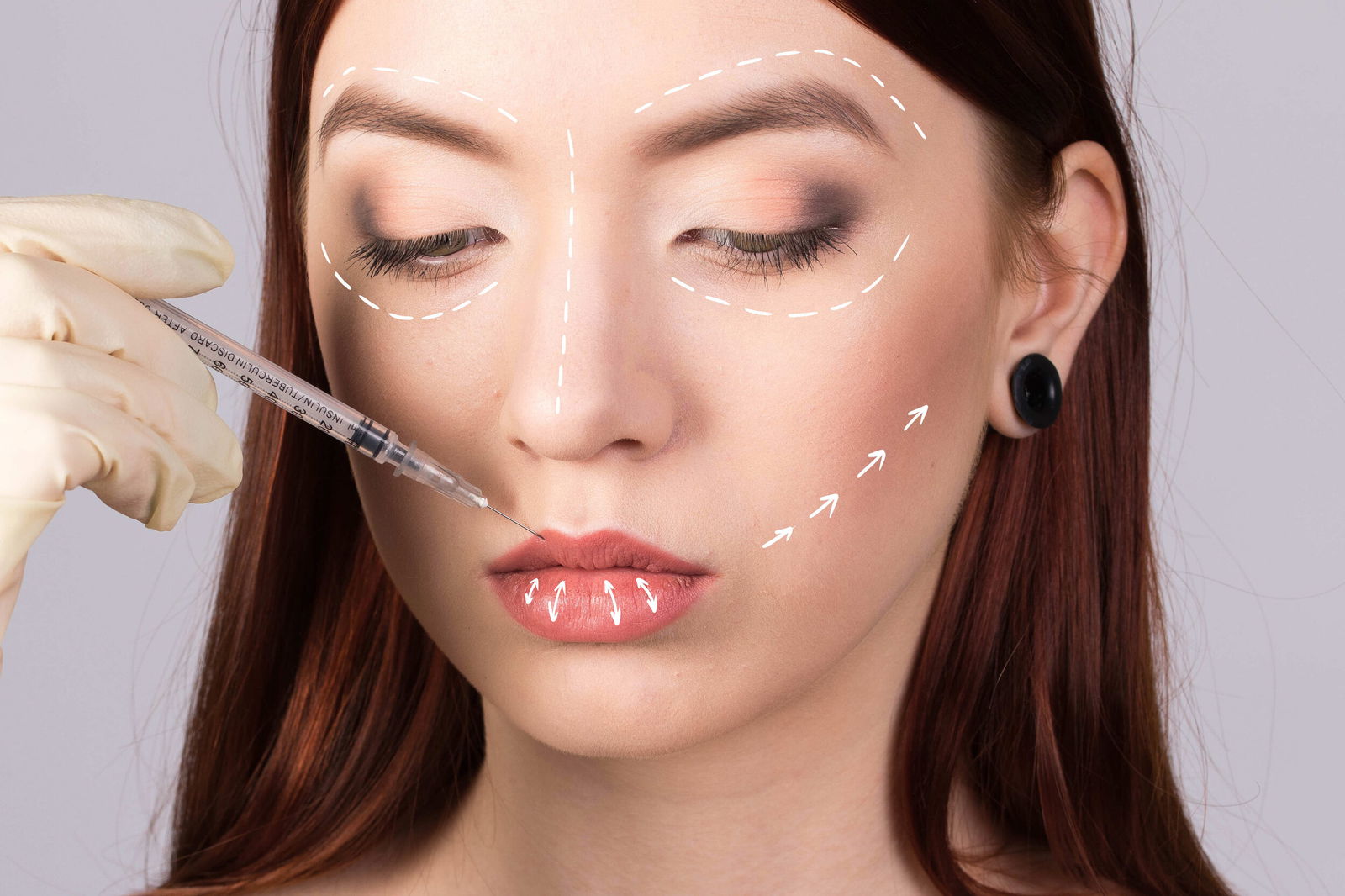
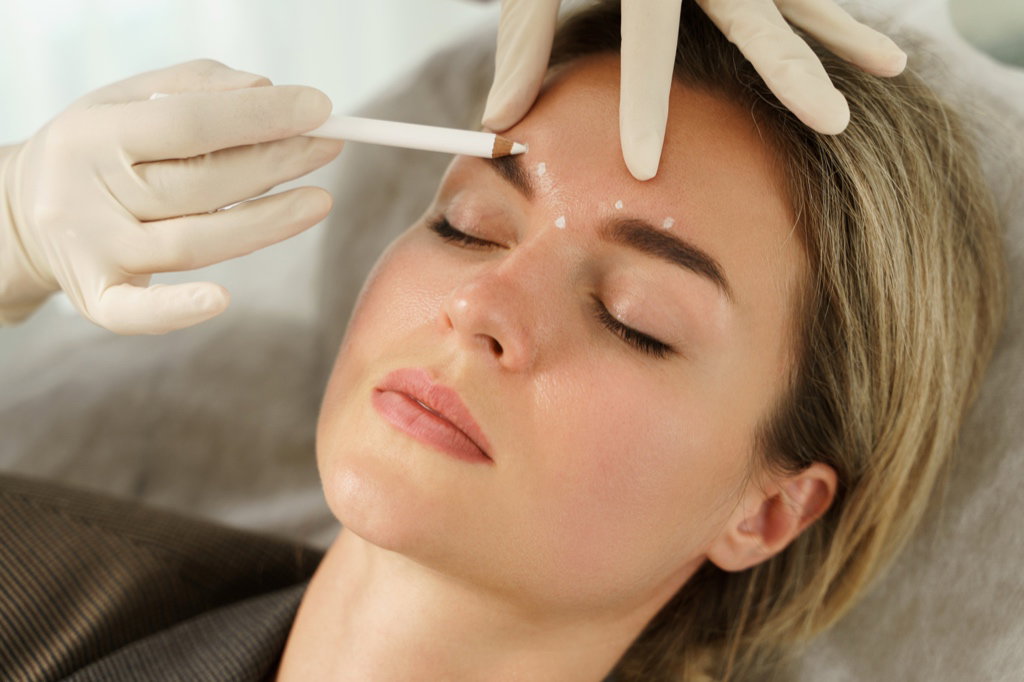
Safe cosmetic injection requires comprehensive knowledge of facial anatomy. The face contains a complex network of blood vessels, nerves, and muscle layers that vary between individuals. Key structures that must be avoided include:
- The facial artery and its branches
- The angular artery near the nose
- Periorbital vessels around the eyes
- The temporal artery at the temples
- Motor nerves controlling facial expression
Vascular occlusion, where filler inadvertently enters or compresses a blood vessel, is a medical emergency that can result in tissue necrosis or, in the worst cases, blindness. Recognising early warning signs and having reversal agents immediately available requires clinical training and appropriate equipment.
Infection and Contamination
Medical-grade injectable treatments are performed in clinical environments with strict infection control protocols. Self-injection at home, even with alcohol swabs and gloves, cannot replicate these conditions. The risk of introducing bacteria into deep tissue layers is significant, potentially leading to abscesses, cellulitis, or systemic infection.
How Cosmetic Injectables Work
Understanding what these products actually do helps explain why professional administration is essential.
Botulinum Toxin Type A
Products including Botox, Dysport, Xeomin, and the newer Daxxify work by temporarily blocking nerve signals to targeted muscles. This reduces muscle movement, softening dynamic wrinkles like frown lines, crow’s feet, and forehead lines. The effect typically lasts three to six months, depending on the product and individual factors.
Precise placement is critical. Injecting the wrong muscle, or allowing the product to spread to adjacent muscles, can cause unintended effects such as a drooping eyelid, asymmetrical smile, or difficulty with facial expressions.
Dermal Fillers
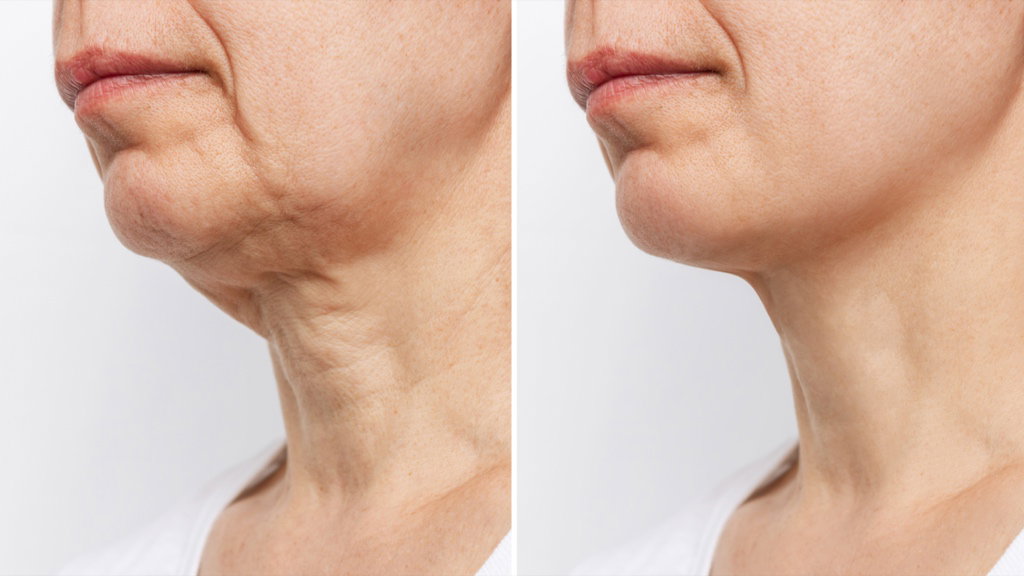
Hyaluronic acid fillers add volume to specific areas and can be used for lip enhancement, cheek augmentation, jawline definition, and correction of volume loss. These products require careful placement at the correct tissue depth, with constant awareness of vascular anatomy.
Unlike botulinum toxin, hyaluronic acid fillers can be dissolved if complications occur, but this requires immediate access to hyaluronidase and knowledge of how to use it effectively.
Biostimulators
Products like Sculptra (poly-L-lactic acid) work differently, stimulating the body’s own collagen production over several months. These require specific dilution protocols, injection techniques, and patient selection. They are not suitable for all treatment areas and require practitioners to understand the delayed onset of results.
What to Look for in a Cosmetic Injectable Provider
The contrast between black market products and legitimate clinical treatment could not be more stark. When evaluating a cosmetic injectable provider, patients should consider:
Practitioner Qualifications
In Australia, cosmetic injectables can only be legally administered by registered medical practitioners, registered nurses working under medical supervision, or dentists within their scope of practice. Ask about qualifications, training, and experience with the specific treatment you’re considering.
Clinical Environment
Legitimate cosmetic medicine is practised in clinical settings with appropriate infection control, emergency equipment, and reversal agents on hand. The environment should feel medical, not like a beauty salon or someone’s home.
Product Transparency
You have the right to know exactly what is being injected. A reputable practitioner will tell you the brand name, show you the product packaging, and be able to provide batch numbers if requested. All products should be TGA-approved and sourced from authorised Australian distributors.
Comprehensive Consultation
Quality care begins with a thorough consultation, not a quick transaction. This should include discussion of your goals, assessment of your facial anatomy, explanation of treatment options, honest conversation about expected outcomes, and clear information about risks and aftercare.
Emergency Protocols
Ask what happens if something goes wrong. A reputable clinic will have protocols for managing complications, including access to reversal agents and clear escalation pathways for serious adverse events.
The True Cost of Cheap Injectables
Black market injectables may appear cheaper upfront, but the hidden costs can be significant:
- Medical treatment for infections or complications
- Corrective procedures to address poor results
- Dissolution of problematic filler
- Time off work during recovery from adverse events
- Long-term scarring or disfigurement in severe cases
- Psychological impact of a poor outcome
When complications do occur with black market products, patients often find themselves without recourse. There is no practitioner to call, no medical indemnity insurance, and no clinical notes documenting what was injected.
Why Regulation Exists
In Australia, botulinum toxin products, dermal fillers, and biostimulators are classified as Schedule 4 prescription medications. This classification exists because:
- Medical assessment is essential: A qualified practitioner must evaluate whether treatment is appropriate for each individual patient
- Anatomy knowledge is critical: Safe injection requires understanding of facial anatomy, including blood vessels, nerves, and muscle layers
- Product handling matters: These medications require specific storage conditions and preparation
- Complications require management: Adverse events need immediate professional intervention
- Authenticity verification: Legitimate products come through regulated supply chains with batch tracking and quality assurance
The demand for aesthetic treatments continues to grow, and that demand will be met one way or another. The question is whether it will be met by qualified practitioners in clinical settings, or by anonymous online sellers shipping unregulated products with DIY injection kits.
Making an Informed Decision
Cosmetic injectable treatments, when performed appropriately, have an excellent safety profile and high patient satisfaction rates. The key is ensuring that “appropriately” means:
- TGA-approved products from legitimate supply chains
- Qualified practitioners with appropriate training
- Clinical environments with proper infection control
- Thorough consultation and informed consent
- Access to emergency protocols and reversal agents
The appeal of cheaper, more convenient options is understandable. But when it comes to injecting substances into your face, the value of professional expertise, genuine products, and clinical oversight cannot be overstated.
This article is provided for educational purposes to support informed decision-making about cosmetic treatments.
© Dermaq Institute | Media Inquiries